(346) 645 0000 Spring, TX

Toyota Tundra trucks near Houston

Used Toyota Tundra for sale in Houston, TX

The Toyota Tundra is Toyota's full-size pickup, a practical match for drivers comparing truck space, a truck bed, real passenger room, and Toyota familiarity in one package. Around Houston, a used Tundra may fit as a daily driver, family pickup, weekend hauler, work truck, or tow vehicle. It also belongs on the same shortlist as our broader used trucks in Houston when you are comparing cab size, bed space, mileage, and payment. Start with year, cab, bed, drivetrain, trim, mileage, condition, and the ownership clues shown in the photos and report.

Quick check: match cab size, bed length, tire life, photo quality, condition, and report access to the job before trim names lead the search.

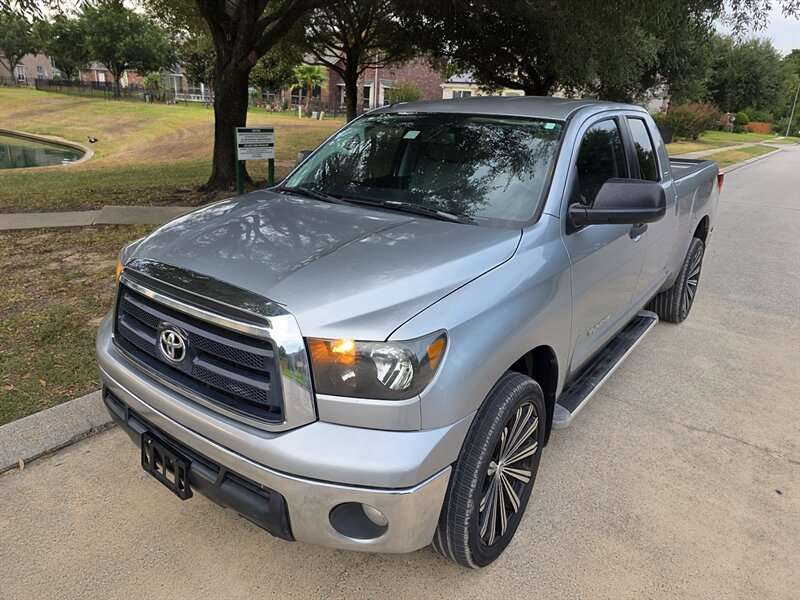
Blue Toyota Tundra Double Cab used pickup near Houston TX
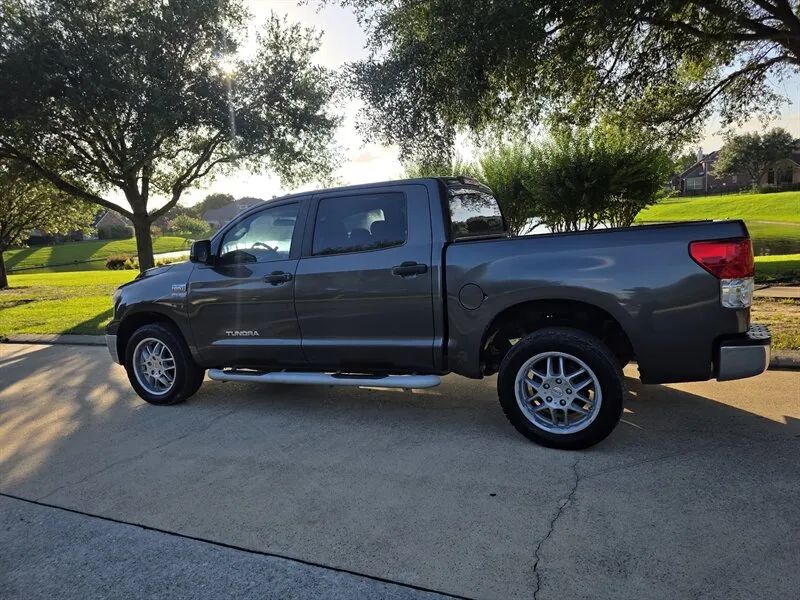
Gray Toyota Tundra CrewMax used pickup side profile near Houston TX
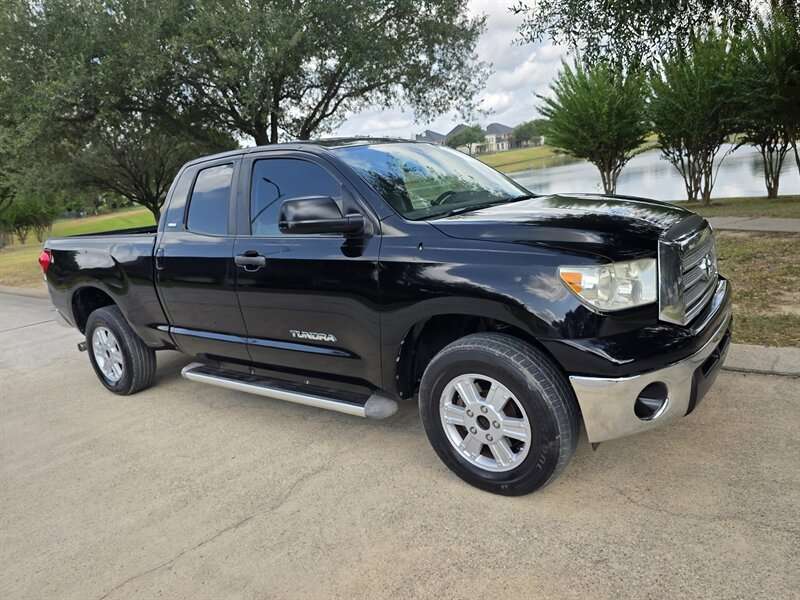
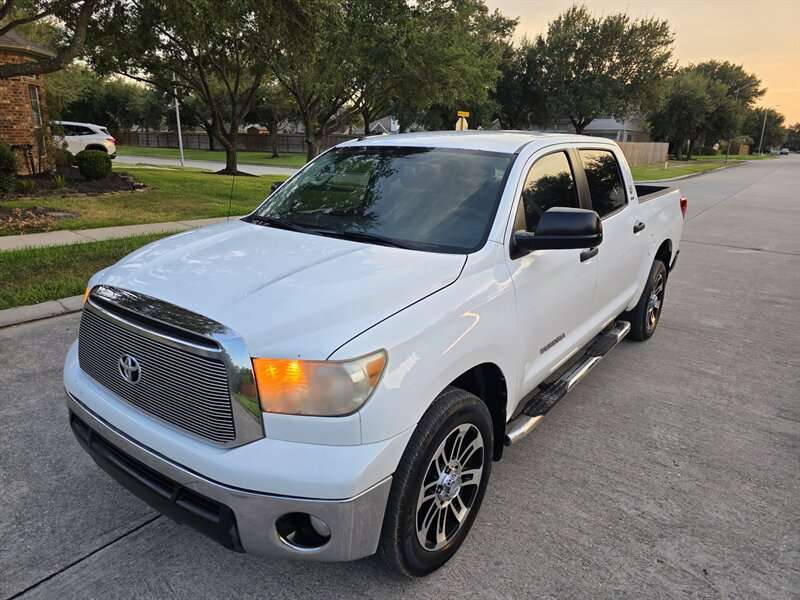
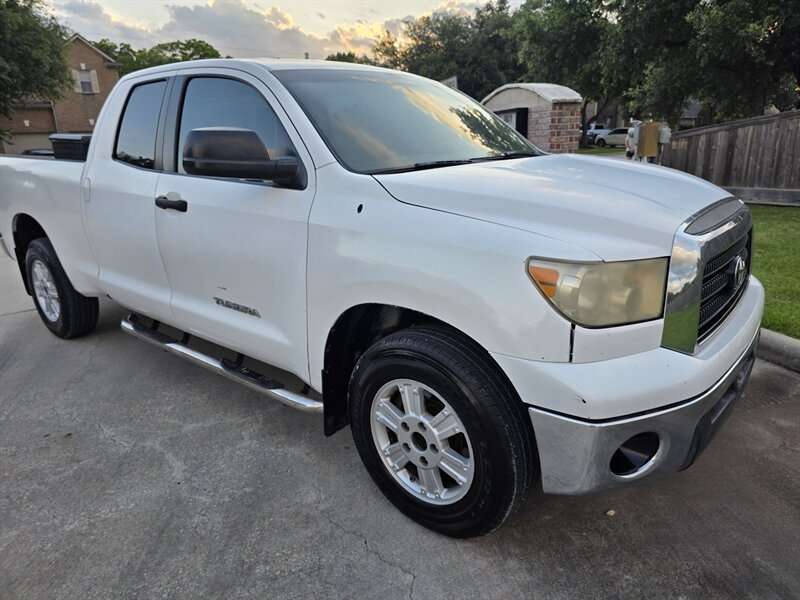
White Toyota Tundra Double Cab SR5 used pickup near Houston TX
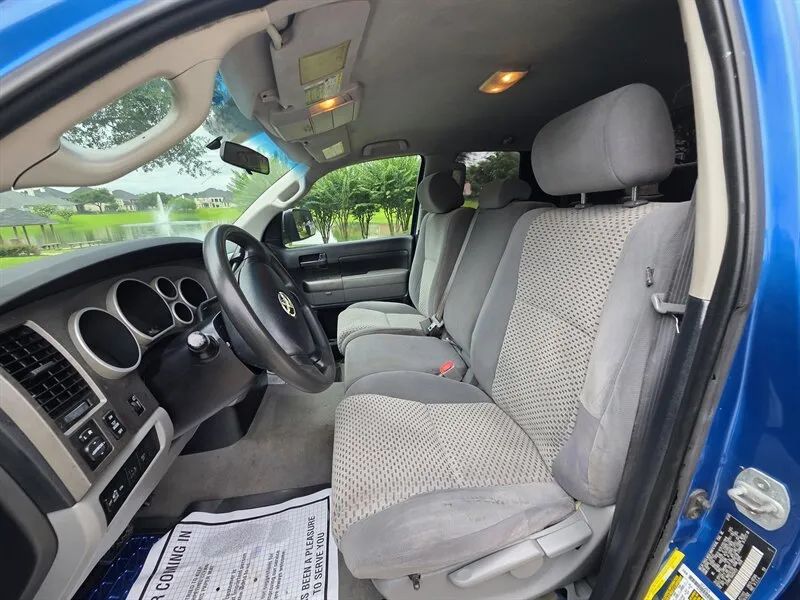
Toyota Tundra interior photo for used truck shoppers near Houston TX
Gray Toyota Tundra CrewMax used pickup side profile near Houston TX

Why Houston drivers shop the Toyota Tundra

The Tundra appeals to buyers comparing a full-size pickup but still prefer a Toyota nameplate. It is not a compact lifestyle truck. It is meant for people who need bed space, a higher seating position, room for passengers, and enough strength for normal truck jobs such as hauling home-project material, carrying tools, loading outdoor gear, moving furniture, or towing a weekend trailer. If you are loyal to the brand, you can browse current Toyota inventory, or start wider with all used car inventory before deciding whether Tundra, Tacoma, or another Toyota fits best.

Shop each truck by the job it needs to do. A regular commuter truck, a family pickup, a crew truck, and a tow-focused truck should be compared differently. Cab room matters when passengers ride often. Bed length matters when tools, bikes, furniture, or work material are part of the routine. Drivetrain matters when the truck will see wet grass, job sites, boat ramps, rough roads, or occasional off-road use. Trim and packages matter when comfort, audio, camera views, safety features, or off-road equipment change the way the truck feels every day.

Check first: year, cab, bed, engine or powertrain, drivetrain, trim, mileage, condition, tire wear, interior wear, paint, bed use, price, and report access.

Do not stop at: the badge alone. A Tundra badge tells you the general truck. The exact setup tells you whether it fits your driveway, passengers, work, budget, and plans.

Choose the right Tundra setup

A Tundra can be configured in many ways across different years. Some shoppers care most about cab room. Some need bed access and payload space. Others care about comfort, towing confidence, 2WD versus 4WD, fuel economy, off-road equipment, or the lowest clean price. If the truck will be a daily family pickup, compare Tundra side by side with a used Ford F-150, used Ram 1500, or used Chevrolet Silverado 1500 instead of assuming one badge solves every need. Names like SR, SR5, Limited, Platinum, 1794 Edition, TRD Pro, Capstone, Double Cab, and CrewMax are useful clues, but they are only clues. The practical question is whether the cab, bed, drivetrain, mileage, and price fit your day.

Cab and bed: think about passengers, child seats, crew members, parking space, bed length, tool storage, bikes, furniture, and the kind of cargo you actually move.

Trim and drivetrain: compare comfort features, safety equipment, audio, camera views, seat material, 2WD or 4WD needs, transmission, tires, and whether the truck looks cared for in photos.

Powertrain and year: older Tundras are often shopped for V8 simplicity and familiar truck character, while newer third-generation trucks moved to turbocharged V6 and hybrid choices. Compare each generation on its own terms.

Toyota Tundra CrewMax exterior detail photo for Houston used truck shoppers
White Toyota Tundra Double Cab SR5 used pickup near Houston TX

A quick look at Tundra generations

The Tundra has been Toyota's full-size pickup since the 2000 model year. That history matters on a used page because a first-generation truck, a long-running second-generation truck, and a newer third-generation truck can feel like different shopping decisions. Newer pages often talk about the latest screen size, hybrid output, or current trim lineup. Used-truck buyers need a wider view: which generation is it, what engine or powertrain does it have, how is the cab configured, how clean are the photos, and does the condition match the price?

For many Houston shoppers, value-priced Tundras will come from the older V8 era or the long 2007-2021 generation. Those trucks can still be appealing, but they need a closer look at condition, not just age. If budget is the main filter, compare the available Tundra against used vehicles under $15k and used vehicles under $10k so the truck still fits the monthly plan. A newer Tundra can bring a different platform, newer turbocharged powertrain choices, and newer tech, but a higher price and a different ownership feel. That is why comparing generations matters before comparing color or trim.

First Tundra era

2000-2006 first generation

The early Tundra gave Toyota a true full-size pickup nameplate. On these older trucks, age, maintenance history, rust or frame condition, interior wear, paint, tires, and clean operation matter more than trim names. A buyer should be realistic: a clean older Tundra can be useful, but inspection matters.

Common used years

2007-2021 second generation

This long-running generation is common in used searches and includes many trucks shoppers recognize for V8-era pickup character. Compare cab style, bed length, drivetrain, transmission, equipment, towing setup, mileage, and visible care. A well-kept truck from this window may be a better buy than a cheaper one with rough photos.

Newer Tundras

2022 and newer third generation

The newer Tundra moved to a different platform with turbocharged V6 and available hybrid i-FORCE MAX powertrain choices. These trucks should be compared separately from older value-priced Tundras because price, tech, ride, powertrain feel, and equipment can be very different.

Tundras at Essence Autos

After you understand the Tundra family, compare the trucks currently available from Essence Autos. The live cards below show real photos, year, cab style, mileage, price, fuel type, transmission, and available report access so you can choose which truck deserves the closer look.

Available inventory 6 vehicles available

Engine and drivetrain choices

Tundra shopping gets easier when you connect the powertrain to the job. Older used examples may appeal because of familiar naturally aspirated truck engines, especially the V8-powered years many buyers already know. Newer Tundras shifted to turbocharged V6 power, with an available hybrid i-FORCE MAX setup on some models. Neither direction is automatically better for every buyer. Check how the truck will be used, how it has been maintained, and whether the listed equipment matches your needs.

For a mostly local daily driver, smooth operation, clean interior condition, good tires, working air conditioning, easy parking feel, and cabin comfort may matter most. For a tow or haul truck, compare drivetrain, hitch setup, tire condition, cooling confidence, brake feel, payload needs, bed condition, and whether the truck has the right mirrors, cameras, or towing aids for the job. For a family pickup, rear-seat room, step-in height, seat condition, storage, infotainment, and visibility may matter more than maximum capability numbers. If payment flexibility decides the final choice, start a used car financing conversation before narrowing the truck list too far.

Powertrain

Do not compare only by horsepower

Power ratings are useful, but used trucks live in the real world. Compare throttle feel, shifting, idle smoothness, warning lights, service records, tire quality, and whether the truck feels right on a test drive. A high-output newer truck and a clean older truck can both make sense for different buyers.

Drivetrain

2WD and 4WD serve different shoppers

A 2WD Tundra can be simpler and enough for commuting, errands, and dry-road truck use around Houston. A 4WD Tundra may be better if you expect rough job sites, muddy access roads, boat ramps, hunting land, or bad-weather travel. The right choice depends on your routes, not just resale buzzwords.

How to choose between Tundra years and trims

Start a Tundra search by sorting the trucks into daily, family, work, towing, and budget needs. One Tundra search can include Double Cab, CrewMax, short bed, longer bed, 2WD, 4WD, SR, SR5, Limited, Platinum, 1794 Edition, TRD, Capstone, V8-era, turbo V6, hybrid, tow-package, off-road-package, wheel-and-tire, and ownership-history differences. A useful shortlist has to cover trim, year, powertrain, condition, mileage, and payment together.

A work/value shortlist should prioritize price, bed usability, tires, drivetrain, simple durable equipment, and maintenance clues. A family/daily shortlist should prioritize cabin space, step-in height, seat condition, cameras, comfort features, visibility, and payment. A tow/weekend shortlist should prioritize engine or powertrain, hitch equipment, tire condition, brake feel, cooling confidence, 4WD needs, and documentation. When the Toyota fit is close but not perfect, compare the same use case against all truck inventory instead of forcing the wrong configuration.

Configuration

Compare the build before the badge

Write down year, cab, bed, engine or powertrain, transmission, 2WD or 4WD, trim, package, wheels, tires, hitch equipment, bed liner, and camera setup. This separates a clean work truck from a family truck, tow-focused truck, or comfort trim that only looks similar in search results.

Specs

Ratings need exact equipment

Payload, towing, and fuel economy are not one-size numbers for Tundra. Cab, bed, powertrain, drivetrain, wheel and tire package, tow package, and installed equipment can change the rating. Confirm the exact truck with the listing, VIN, build information, door-jamb label, and dealer conversation.

Condition

Mileage needs context

Full-size pickups often work hard. Read the odometer together with tire wear, bed wear, seat condition, paint, warning lights, interior cleanliness, suspension feel, brake feel, and visible care.

Photos and VIN checks

The gallery and report should help you decide

Good photos help you inspect the truck before spending time on a visit. Look for tire tread, wheel condition, seat bolsters, dashboard lights, carpet wear, bed scratches, bumper marks, paint condition, panel gaps, windshield condition, and how cleanly the truck presents overall. Use report access and the NHTSA recall lookup for the specific VIN before making a final decision.

Tundra trims without the jargon

Trim names can make used-truck shopping sound more complicated than it needs to be. SR and SR5 usually point toward practical value. Limited, Platinum, 1794 Edition, and Capstone-style trims can add more comfort, audio, interior materials, screens, and convenience features on newer trucks. TRD packages and TRD Pro models point shoppers toward off-road styling or hardware, depending on year and exact equipment.

On a used Tundra, the trim name should help you ask better questions, not replace the inspection. A basic truck in great condition may be a better local buy than a higher trim that was used hard. A comfort-focused trim may be worth more if you commute daily. A truck with off-road equipment may make sense if you actually use it, but it can also mean checking tire wear, suspension condition, underbody photos, and how the truck was driven. If your current vehicle affects the budget, use the trade-in page before choosing between a practical SR5 and a higher-comfort trim.

Toyota Tundra interior photo for used truck shoppers near Houston TX
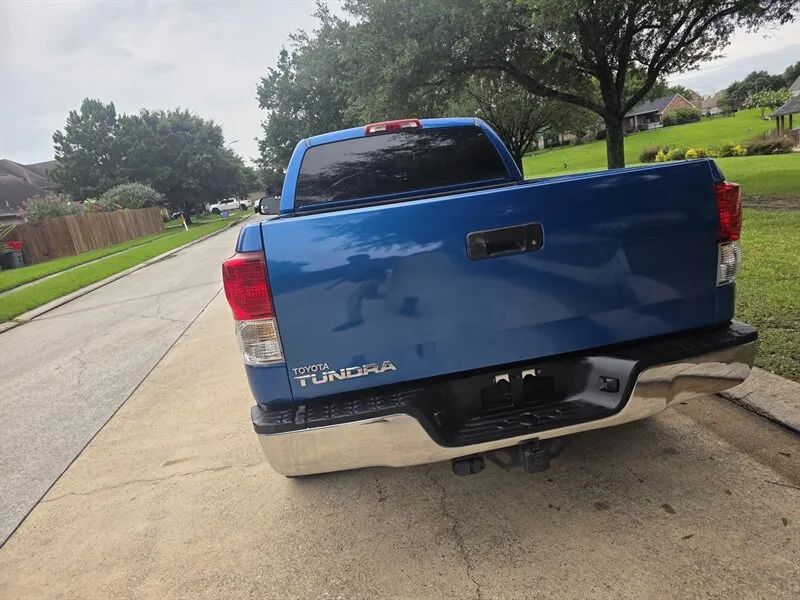
Rear view of a blue Toyota Tundra Double Cab pickup bed near Houston TX

Toyota Tundra walkaround video

Use this walkaround as another condition check. Look at stance, bed wear, lights, wheels, paint reflection, and cab condition along with the live listing photos.

Match the Tundra to your day

A Tundra can be bought for very different reasons, and the setup that fits changes with the reason. A daily driver needs comfort, visibility, easy controls, clean cabin condition, reasonable tires, and a price that makes sense for regular use. A family pickup needs rear-seat room, safe step-in height, working climate control, easy seat access, and enough storage for ordinary life. A work-focused truck needs bed condition, payload needs, tie-downs, durable materials, and the right drivetrain. A tow or weekend truck needs hitch setup, braking confidence, cooling confidence, tire quality, drivetrain, and enough power for the trailer or toys you actually pull. If you want help narrowing a exact truck, contact Essence Autos with the year, cab, trim, and how you plan to use it.

Everyday truck

Daily driving

Prioritize clean cabin condition, smooth shifting, easy visibility, working features, good tires, and a cab size that fits your parking and passenger needs.

Job and project use

Work and hauling

Look at bed condition, bumper marks, hitch hardware, drivetrain, tires, underbody clues, and whether the truck has the right balance of utility and comfort.

Passenger comfort

Family and weekend use

Rear-seat comfort, storage, safety features, audio, ride feel, and the overall cleanliness of the cabin can matter as much as towing numbers.

Questions about buying a used Toyota Tundra

Is a used Toyota Tundra a good truck to buy?
It can be a solid choice if you want a full-size pickup with Toyota familiarity, useful cab choices, and real bed utility. The truck that fits still depends on generation, condition, mileage, drivetrain, equipment, price, and how it was used.

Which Toyota Tundra generation should I compare?
Compare by budget and use. Older trucks can be worth a look for value and familiar V8-era character, while newer 2022+ trucks bring a different platform, turbocharged V6 powertrains, available hybrid power, and newer tech. The best answer depends on the exact truck.

Which Tundra trim is best?
There is no single best trim for every shopper. SR and SR5 may fit simple value, higher trims can add comfort and tech, and TRD-related trucks can appeal to off-road shoppers. Condition and equipment matter more than the badge alone.

What should I check on an older Tundra?
Look beyond the odometer. Tires, seats, bed wear, paint, frame photos, warning lights, drivetrain, fuel type, equipment, service clues, and the report link can all help show whether the truck still feels like a fair buy.

Can I finance or trade toward a Tundra?
Yes. Pick the Tundra you like, then ask Essence Autos about down payment, documents, lender review steps, and trade-in value.

Should I call before driving in from Houston?
Yes. Used truck availability can change quickly. A quick call helps confirm the current price, mileage, availability, report access, and the best time to see the truck.