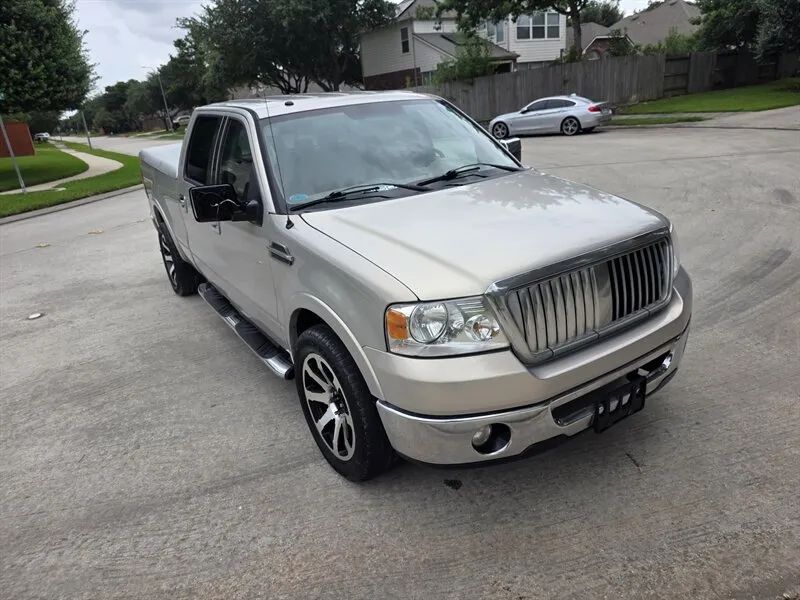
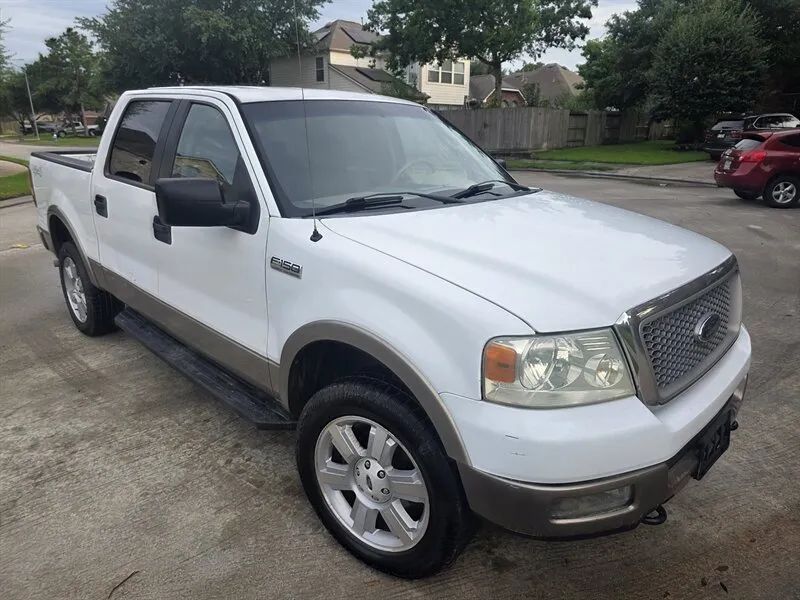
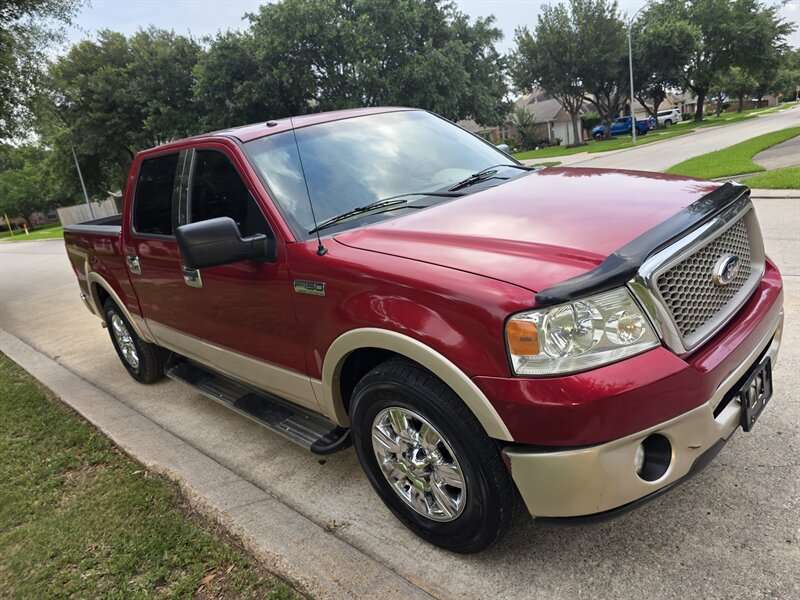
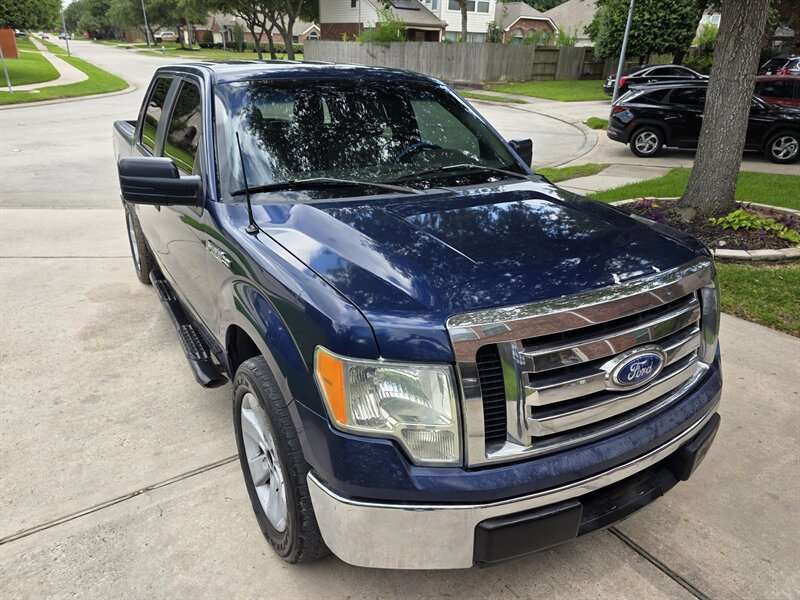
Ford F-150 trucks near Houston
The Ford F-150 is one of the most searched full-size pickups because it can fit many jobs: daily driving, work, family use, towing, home projects, and weekend hauling. On a used Ford F-150, the right choice depends less on the badge and more on the exact year, cab, bed, engine, drivetrain, trim, mileage, condition, price, and how the truck looks in the photos. It should also be compared against our wider used truck inventory when the job, payment, or cab setup matters more than the badge.
Start with real use: choose the job first, then compare the actual truck. A lower-price F-150 with the right cab, usable bed, clean seats, good tires, detailed photos, and the equipment you need can be a smarter fit than a newer truck that misses the basics.
The F-150 is popular because it can be a work truck, family truck, commuter truck, tow vehicle, or general-purpose pickup. That range is useful, but it also means shoppers should compare the exact setup instead of assuming every F-150 feels the same. Cab size changes passenger room. Bed length changes what you can haul. Engine and drivetrain affect daily feel, towing confidence, fuel use, and maintenance questions. Trim affects comfort, seats, screens, cameras, wheels, and options. Ford shoppers can browse current Ford inventory, or start with all used car inventory when F-150, F-250, SUV, or car options are all still on the table.
For a Houston-area buyer, the smartest F-150 is the one that fits the way the truck will be used. If it will carry tools, look at bed wear, tire condition, drivetrain, and simple durable features. If it will carry family, compare rear-seat room, step-in height, air conditioning, seat condition, and cabin storage. If it will tow, ask about hitch setup, engine, drivetrain, brakes, tires, and how the truck feels on a test drive.
Used F-150 listings can include regular cab, Ford F-150 Super Cab, Ford F-150 SuperCrew, short bed, longer bed, 2WD, 4WD, XL, XLT, Lariat, King Ranch, Platinum, Limited, Tremor, Raptor, and many package combinations depending on year. Those names help organize the search, but the vehicle photos and listing details matter more than the label. If you need more truck than a half-ton, compare the F-150 with a used Ford F-250 before choosing the F-150 only because it is familiar.
Cab and bed: think about passengers, child seats, crew members, parking space, bed access, tools, bikes, furniture, and weekend cargo. Trim and equipment: compare seat material, cameras, tow equipment, running boards, wheels, tires, audio, safety features, and how clean the interior looks. Drivetrain and powertrain: match the engine and 2WD or 4WD setup to your real routes and towing plans.
Used F-150 shopping covers a wide range of years, so generation matters. A buyer may be looking at a lower-price 2004-2008 truck, a common 2009-2014 value truck, a 2015-2020 aluminum-body truck, or a 2021-newer truck with more modern screens, driver-assist features, hybrid availability, and updated towing technology. The right comparison is not just old versus new. It is year range, cab, bed, engine, transmission, 2WD or 4WD, trim, package, mileage, condition, and price.
Many value-priced F-150 searches around Houston include trucks from the 2004-2008, 2009-2014, and 2015-2020 eras, plus newer examples when budget allows. A clean older F-150 with detailed photos, good tires, working features, and a useful cab can be a better local buy than a newer one with rough wear. If price is driving the decision, compare F-150 listings against vehicles under $15k and the available vehicles under $10k before stretching for the wrong truck. A newer F-150 can be worth the money when the condition, options, mileage, and payment fit your plan. Always confirm exact specs by VIN, window sticker, dealer listing, door-jamb payload label, and inspection because towing and payload ratings change by axle, cab, bed, drivetrain, engine, and equipment.
Older F-150s
2004-2008 value-era trucks
These older F-150s can be useful lower-price trucks when the condition is right. Compare frame and body condition, interior wear, tire quality, bed wear, warning lights, air conditioning, V8 or V6 configuration, and how smoothly the truck starts, idles, shifts, and brakes.
Common search range
2009-2014 common used years
These years are common in used F-150 searches and can include regular cab, SuperCab, SuperCrew, 2WD, 4WD, V6, V8, and EcoBoost choices depending on the truck. Compare cab style, bed length, engine, drivetrain, transmission, equipment, mileage, and whether the photos show a cared-for pickup.
Modern used range
2015-2020 aluminum-body trucks
This era can bring lighter aluminum body construction, updated cabins, EcoBoost and V8 choices, more camera and towing equipment on some trims, and broad XL-to-Platinum variety. Compare price, miles, tire quality, equipment, repair history, and condition against older trucks before deciding.
Late-model range
2021-newer trucks
Late-model F-150 listings can include newer interiors, larger screens on some trims, Pro Power Onboard availability, hybrid availability, newer driver-assist features, and updated towing tools. Confirm the exact build, payload label, axle, tow package, wheels, tires, and payment before assuming one newer truck is automatically the better buy.
After you know the F-150 setup you want, compare the trucks currently available from Essence Autos. Each listing shows real photos, year, cab style, mileage, price, fuel type, transmission, and available history details so you can decide which truck is worth a closer look.
F-150 engine names can sound like the whole decision, but a used truck need a close look at the job and condition. Depending on year, shoppers may see naturally aspirated V6, EcoBoost V6, 5.0-liter V8, hybrid, and specialty performance setups in the broader market. Ford lists current F-150 engine choices on the official F-150 page, but used specs still depend on the exact VIN, trim, axle, cab, bed, drivetrain, tow package, and installed equipment.
A daily driver needs clean operation, comfort, visibility, working air conditioning, predictable shifting, and manageable fuel use. A work, tow, or weekend truck needs bed condition, tire quality, drivetrain confidence, hitch equipment, braking confidence, cooling confidence, and enough truck for the real load. Do not stop at horsepower, trim, or a single badge. Compare how each candidate starts, idles, shifts, steers, brakes, shows in photos, and fits the real route or trailer. If payment is the deciding factor, get financing help early so the shortlist matches the budget.
Engine fit
Match the engine to the work
A simple local-use F-150 does not need to be judged like a heavy tow rig. Think about commuting, tools, family, trailers, job sites, and how much truck you actually need.
Drivetrain
2WD and 4WD answer different needs
A 2WD F-150 may fit for dry-road daily use and lower-price shopping. A 4WD truck may matter for job sites, ramps, muddy access roads, hunting land, or rougher routes.
Start an F-150 search by sorting the trucks into daily, family, work, towing, and budget needs. One F-150 search can include dozens of used-truck combinations: regular cab, SuperCab, SuperCrew, short bed, longer bed, 2WD, 4WD, XL, XLT, Lariat, King Ranch, Platinum, Limited, Tremor, Raptor, V6, EcoBoost, V8, hybrid, tow package, appearance package, bed accessories, wheel and tire setups, and different ownership histories. That is why F-150 shoppers should compare cab, bed, engine, trim, mileage, and condition together.
A work/value shortlist should prioritize price, bed usability, tires, drivetrain, and simple durable equipment. A family/daily shortlist should prioritize SuperCrew space, seat condition, cameras, comfort features, visibility, and payment. A tow/off-road shortlist should prioritize engine, axle, hitch equipment, tire load rating, 4WD needs, brake feel, cooling confidence, and documentation. If a Ford is not the right fit, compare the same job against a used Ram 1500, used Chevrolet Silverado 1500, or used Toyota Tundra.

Configuration
Compare the build before the badge
Write down year, cab, bed, engine, transmission, 2WD or 4WD, trim, package, wheels, tires, hitch equipment, bed liner, and camera setup. This separates a clean work truck from a family truck, a tow-focused truck, or a comfort trim that only looks similar in search results.
Specs
Ratings need exact equipment
Payload, towing, and fuel economy are not one-size numbers for F-150. Axle ratio, cab, bed, engine, drivetrain, wheel and tire package, tow package, and installed equipment can change the rating. Confirm the exact truck with the listing, VIN, build information, door-jamb label, and dealer details.
Condition
Mileage needs context
Pickup miles can be easy or hard depending on how the truck was used. Read the odometer together with tire wear, bed wear, seat condition, paint, warning lights, interior cleanliness, suspension feel, brake feel, and visible care.
Photos and VIN checks
The gallery and report should help you decide
Good photos show tires, wheels, seats, bed, dashboard, paint, bumper marks, and the way the truck sits. Use the gallery, vehicle history details, and the NHTSA recall lookup for the specific VIN before making a final decision.
Still sorting truck size? Compare current used trucks, check Ford inventory, or move up to a Ford F-250 if towing and payload matter more. For payment, start with financing help.
Trim names help, but they should not replace the inspection. XL and XLT may fit practical value. Lariat and higher trims can add comfort, leather, audio, cameras, or convenience features depending on year. Off-road or tow-related packages can matter if you will use them, but they also make it important to check tires, suspension feel, underbody clues, and how the truck was driven.
The best used F-150 is the one where price, condition, mileage, cab, bed, drivetrain, and equipment all line up. A basic truck in clean condition can be a better buy than a higher trim that was used hard. A comfort trim can be worth more if you drive it every day. If your current vehicle changes the down payment, check trade-in options before deciding between a value trim and a higher-comfort trim.
Use this walkaround with the photos and listing details to judge paint, stance, wheels, bed condition, cab layout, and overall care before scheduling a visit.
F-150 buyers usually split into daily, family, work, towing, and budget groups. A daily driver needs clean cabin condition, smooth shifting, good visibility, working features, and a price that fits regular use. A work truck needs a usable bed, durable materials, the right drivetrain, tire quality, and enough room for tools or crew. A family pickup needs rear-seat space, comfortable entry, storage, and a cabin that feels clean enough for everyday life. A tow or weekend truck needs hitch setup, braking confidence, tire condition, drivetrain, mirrors or cameras, and enough power for the trailer or gear you actually pull. If you want a second set of eyes on a exact truck, contact Essence Autos with the stock number, year, cab, trim, and how you plan to use it.
Everyday truck
Daily driving
Prioritize clean seats, smooth operation, visibility, air conditioning, working features, good tires, and a cab size that fits your parking and passengers.
Job and project use
Work and hauling
Look at bed condition, bumper marks, hitch hardware, drivetrain, tires, payload needs, and whether the truck balances utility with comfort.
Passenger comfort
Family and weekend use
Rear-seat room, storage, step-in height, ride feel, audio, safety features, and cabin cleanliness can matter as much as towing numbers.
Is a used Ford F-150 a good truck to buy?
It can be a solid choice if the exact truck fits your budget, use, cab needs, bed needs, drivetrain needs, mileage expectations, and condition standards.
Which F-150 cab style should I compare?
Compare by passengers and use. SuperCrew-style trucks usually matter more for rear-seat space, while smaller cabs may fit shoppers who need a lower price or simpler truck.
Should I choose 2WD or 4WD?
A 2WD F-150 may fit for dry-road daily driving. A 4WD truck may matter for job sites, ramps, muddy roads, land, or rougher routes.
What should I check on an older F-150?
Look at tires, bed wear, seat condition, warning lights, paint, drivetrain, air conditioning, maintenance records, photos, vehicle history details, and how the truck feels during a visit.
Can I finance or trade toward an F-150?
Yes. Pick the F-150 you like first, then call Essence Autos about the vehicle, down payment questions, documents, lender review steps, and trade-in details.
Should I call before driving in from Houston?
Yes. Used truck availability changes quickly. A quick call helps confirm current price, mileage, availability, vehicle history details, and the best time to see the truck.
Next best move: if an F-150 feels close, compare used trucks, check your trade value, or contact Essence Autos with the stock number you like.