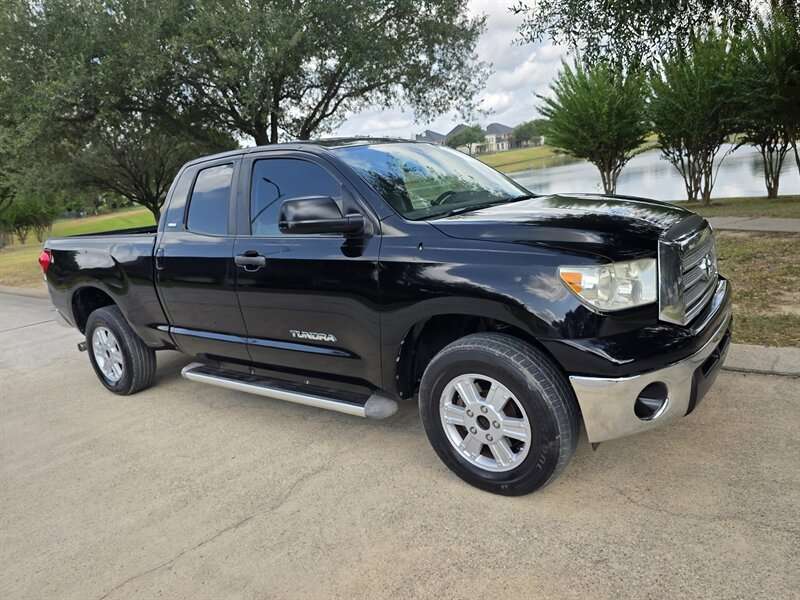
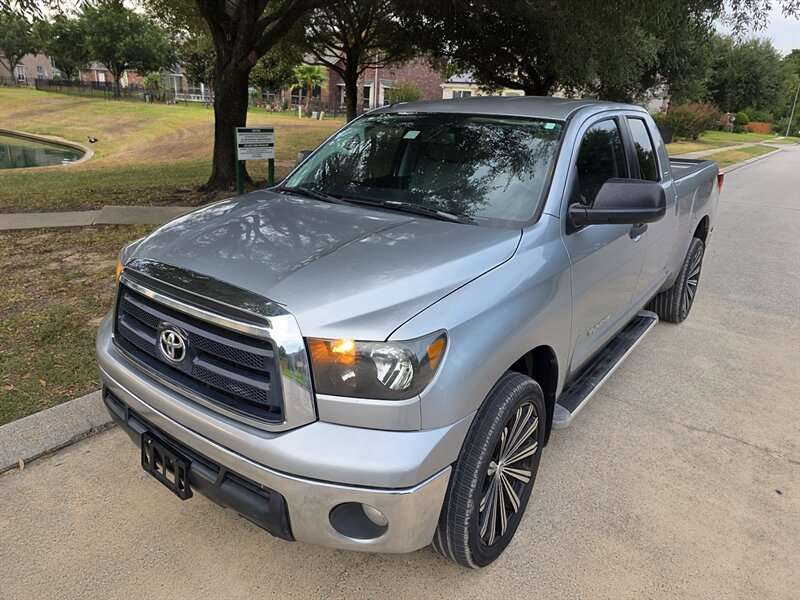
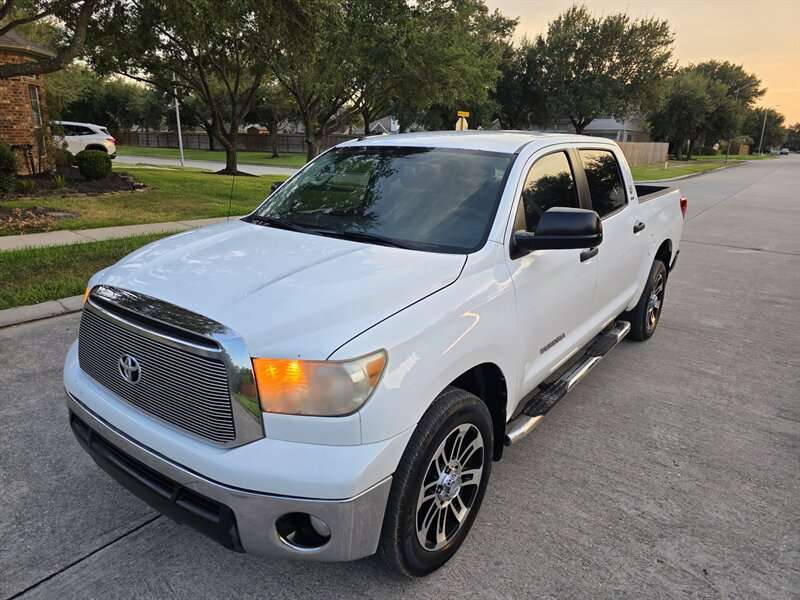
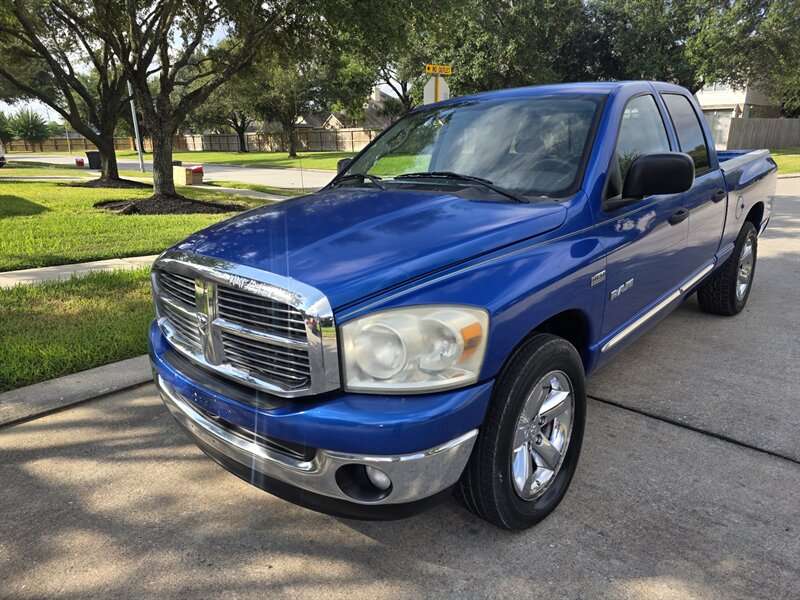
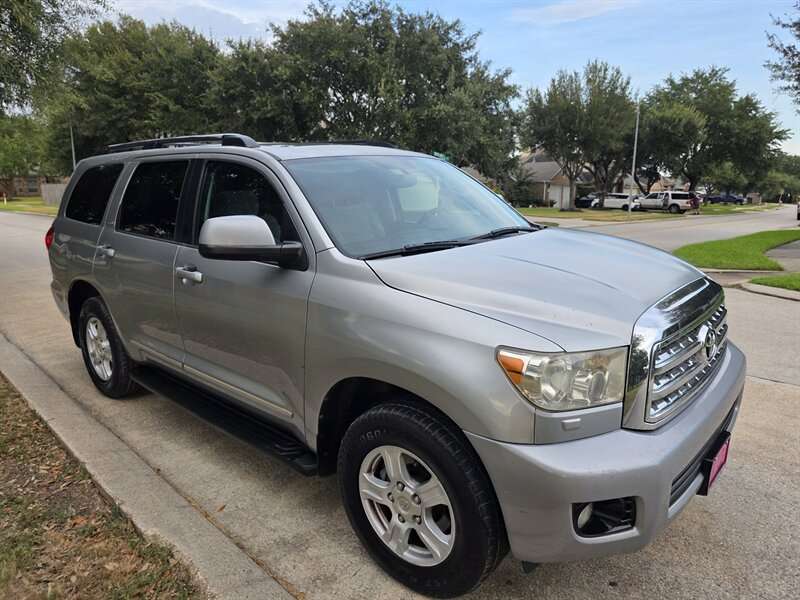
Quick check: choose by real use first, then compare photos, mileage, price, condition, fuel cost, report access, and the exact stock number before visiting.
The under-$15,000 range can help shoppers move beyond the cheapest available car. A little more budget may open up cleaner interiors, lower miles, better tires, more family space, newer features, or a vehicle that fits financing better.
That does not mean every under-$15k vehicle is automatically a better buy. You still need to compare photos, condition, mileage, fuel cost, insurance, tires, report details when available, and how the vehicle fits your real day.
Under-$15k shoppers can start by budget, then narrow by body style or model. These links help you move without relying on indexable filter URLs.
Under $10k · Under $5k · Used sedans · Used SUVs · Used minivans · Used trucks · Toyota Camry · Honda Accord · Nissan Altima · Financing · Trade-in
The under-$15,000 page is useful because it starts with budget, but budget should not be the only question. First decide what the vehicle must do. A sedan can fit work, school, fuel cost, and easy parking. An SUV can fit higher seating, cargo, and family space. A minivan can fit kids, sliding doors, and third-row access. A truck can fit bed space and work use, but fuel and tires may cost more.
Once you know the job, use the price filter to find the best match. A clean sedan under $15k may be better than a rough SUV. A clean minivan may be better than a cramped SUV for family use. A higher-mile truck may make sense if the bed, cab, tires, and drivetrain match the work.
Use body-style pages to narrow the list: used sedans, used SUVs, used minivans, used vans, and used trucks all solve different buyer needs.
Compared with the lowest-price pages, under $15k can sometimes offer more choices, better condition, lower miles, more useful features, or a vehicle that fits family needs better. It can also fit buyers who want a more realistic financing conversation tied to a specific vehicle.
Still, a higher listed price does not guarantee a better vehicle. Compare the exact photos, tires, seats, dashboard, body panels, mileage, title/report details when available, and how the vehicle drives. A clean under-$10k vehicle can beat a rough under-$15k vehicle if the condition is better and the body style fits.
If the budget is tighter, compare used cars under $10k. If you are looking for the lowest possible price, check used cars under $5k, but understand that availability can be limited.
A buyer who commutes alone may be happier in a sedan because it can be easier to park and cheaper to fuel. A buyer with kids may need an SUV or minivan. A buyer who carries tools may need a truck or van. The right body style can save stress every day.
Think about passengers, cargo, school pickup, work routes, highway driving, fuel cost, parking, insurance, and whether you need a payment that leaves room for repairs. Price matters, but it should sit next to the real use.
Model pages can help after body style is clear. Sedan buyers often compare Toyota Camry, Honda Accord, Honda Civic, and Nissan Altima. Family shoppers may compare Sienna, Odyssey, Tahoe, Suburban, Highlander, Pilot, and similar vehicles.
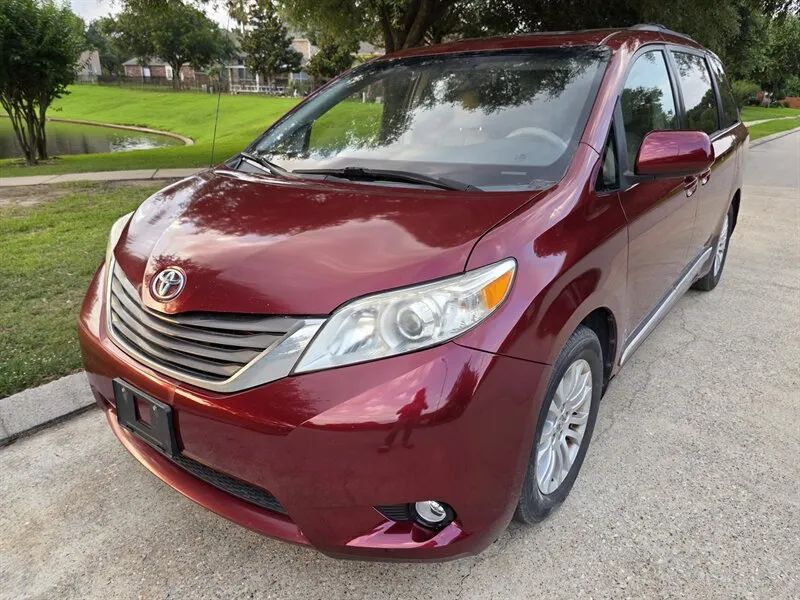
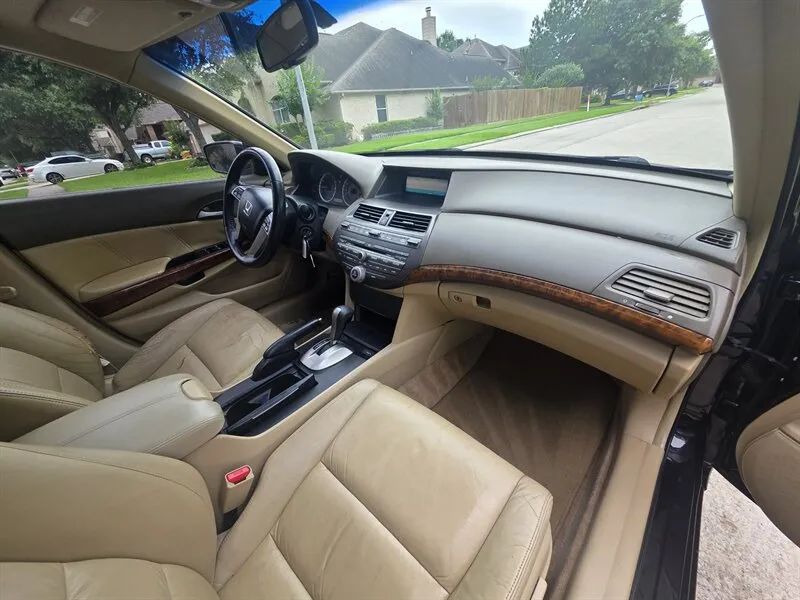
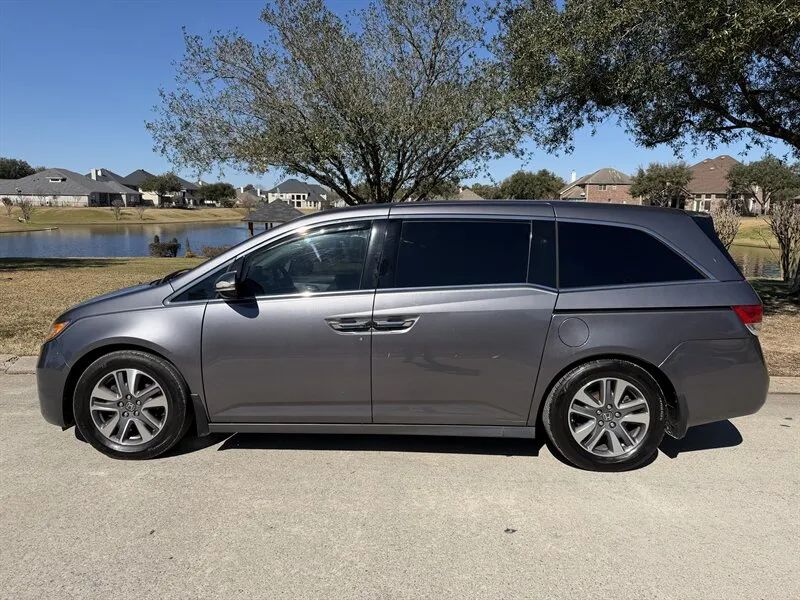
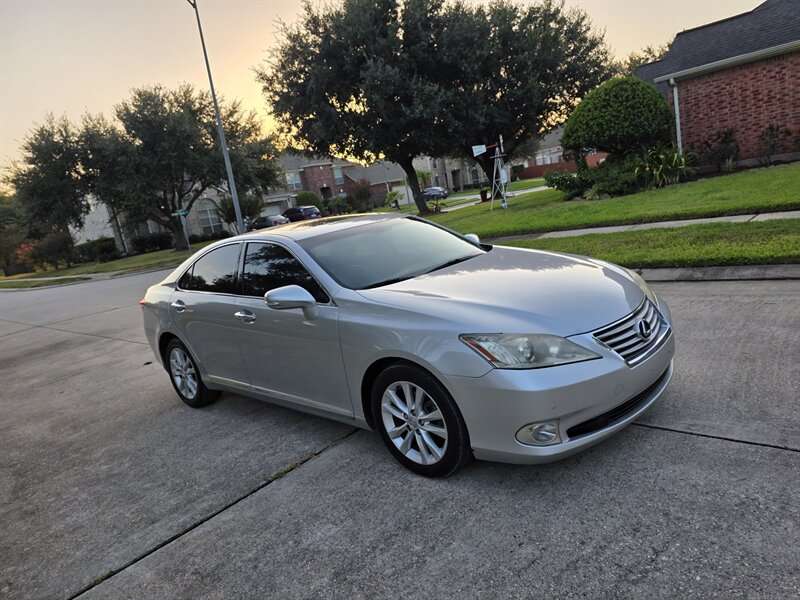
Photos are one of the best tools on a used vehicle page. Check tire condition, wheel damage, paint, headlights, seats, dashboard, carpet, cargo area, bed if it is a truck, door panels, and visible warning lights. If the photos are clear and the condition looks honest, the listing may deserve a call.
If photos hide the interior, tires, or rear cargo area, ask questions. If the listing has a CARFAX link or report details, use them as part of the review. They do not replace inspection, but they help you understand the vehicle before visiting.
A vehicle under $15k should still leave room for ownership. Tires, brakes, fuel, insurance, registration, cleaning, and normal repairs should fit the same budget as the purchase price.
If you want financing, choose a real vehicle first. A payment question without a stock number is only a rough conversation. A payment question with a stock number lets the team look at the exact price, year, mileage, VIN details, taxes, fees, and vehicle fit.
Final financing approval and terms depend on lender review, buyer information, vehicle details, down payment, taxes, fees, and full purchase terms. The used car financing page explains the next step after you pick a vehicle.
If you have a trade, bring VIN, exact miles, title or payoff information, keys, and condition notes. The trade-in page explains what helps. Trade value can change by condition, title status, mileage, market demand, and what the vehicle needs.
These cards are live inventory filtered by listed price. Availability and price can change, so open the listing, save the stock number, and call Essence Autos before driving in for one specific vehicle.
After you understand the shopping choice above, use the live cards below as the current source of availability. Open the listing, save the stock number, then call before visiting for one specific vehicle.
If the under-$15k page is too broad, narrow by sedan, SUV, minivan, truck, or van. If the payment still feels high, compare under-$10k or under-$5k pages and keep condition first.
Official research can help you shop with clearer questions. The FTC used-car dealer guide explains used-car buying basics. The Texas DMV guide explains Texas vehicle paperwork basics. The NHTSA recall lookup can help check recalls by VIN.
These links are research tools. They do not replace the live listing, photos, phone confirmation, or an in-person check. Use them to ask better questions, then focus on the exact vehicle.
Before you drive to Essence Autos, call with the stock number. Confirm current availability, current price, mileage, and timing. Used inventory can change quickly, especially in common budget ranges.
This page explains how to shop used cars under $15,000, but the live inventory cards are the current source for availability. The widget is locked to under $15,000, so shoppers do not need to click around through indexable filter URLs or guess from an old hand-written list.
Open the vehicle card before calling. Check the photos, year, make, model, trim, price, miles, VIN details, fuel type, transmission, body style, and report link when available. Then save the stock number. That one number lets the team look at the same vehicle you are seeing.
Body style, price range, make, and trim are only starting points. Used vehicles still need a condition check. Look at tires, wheels, lights, bumpers, paint, windshield, seats, dashboard, carpet, cargo area, trunk or bed area, door panels, air conditioning controls, and visible warning lights.
If financing or a trade-in is part of the plan, choose the vehicle first. Payment and trade questions work better with a real stock number, real price, real mileage, and real VIN details instead of a broad guess.
Website copy explains how to shop. The live inventory cards show what is actually available now. If a listing looks right, call Essence Autos before driving in so price, miles, availability, and timing are clear.
Use official checks as a way to ask better questions about used cars under $15,000, not as a replacement for the live listing. The FTC used-car dealer guide says used-car shoppers should think about how they will use the vehicle, the full budget, registration, insurance, gas, maintenance, model research, safety tests, and mileage before visiting a dealer.
The FTC also explains that dealers must display a Buyers Guide on used vehicles and that the guide can show warranty or “as is” information, inspection advice, vehicle history report advice, and why promises should be in writing. That is useful for budget pages, trucks, SUVs, sedans, minivans, and vans because every listing still needs its own review.
For Texas paperwork and title research, the Texas DMV title-check guidance tells buyers to use the VIN for title research, consider a trusted mechanic inspection before signing or paying money, use service-report information, and read the sales contract. The broader Texas DMV buying and selling page also notes title timing and insurance basics for Texas vehicle ownership.
For safety and running cost research, use the NHTSA recall lookup with the VIN or vehicle details, and use FuelEconomy.gov when fuel cost matters. Then come back to the exact Essence Autos listing, photos, stock number, price, mileage, and phone confirmation.
3102 Louetta Rd, Spring, TX 77388
Pick the exact stock number first. Then call about financing with the vehicle price, mileage, down-payment idea if you have one, and your budget range. Final terms depend on lender review and the full deal.
Financing helpHave your VIN, exact miles, title or payoff information, keys, and condition notes ready. A final trade offer depends on seeing the vehicle and matching it to the vehicle you want next.
Trade-in helpWhat changes when I shop under $15,000 instead of under $10,000?
A wider budget can sometimes mean more car, fewer compromises, better tires, cleaner seats, lower miles, more useful features, or a body style that fits better. Each listing still needs its own review.
What vehicles can show under $15,000?
The live feed can include sedans, SUVs, minivans, vans, trucks, and other used vehicles depending on current inventory and listed price.
Is under $15k better than under $10k?
It can be. A wider budget may open better condition, lower miles, or a better body style, but each vehicle still needs its own review.
Can I finance a vehicle under $15,000?
You can ask after choosing a real vehicle. Final approval and terms depend on lender review, buyer information, vehicle details, down payment, taxes, fees, and full purchase terms.
Should I shop by budget or body style first?
If payment is the main limit, start by budget. If family, work, or daily use is the main need, start by body style and then compare price.
Should I call before visiting for an under-$15k vehicle?
Yes. Call with the vehicle name or stock number so Essence Autos can confirm availability, current price, mileage, and timing before you drive over.