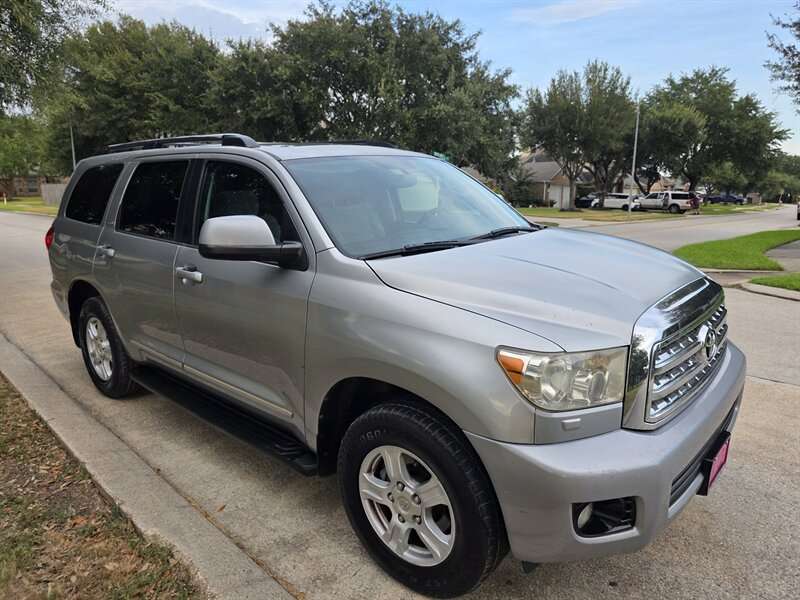
Quick check: choose by real use first, then compare photos, mileage, price, condition, fuel cost, report access, and the exact stock number before visiting.
Under $10,000 shoppers should slow down and look at condition. A clean seat, working air conditioning, good tires, smooth shifting, clear photos, and a simple ownership story can matter more than a shiny badge.
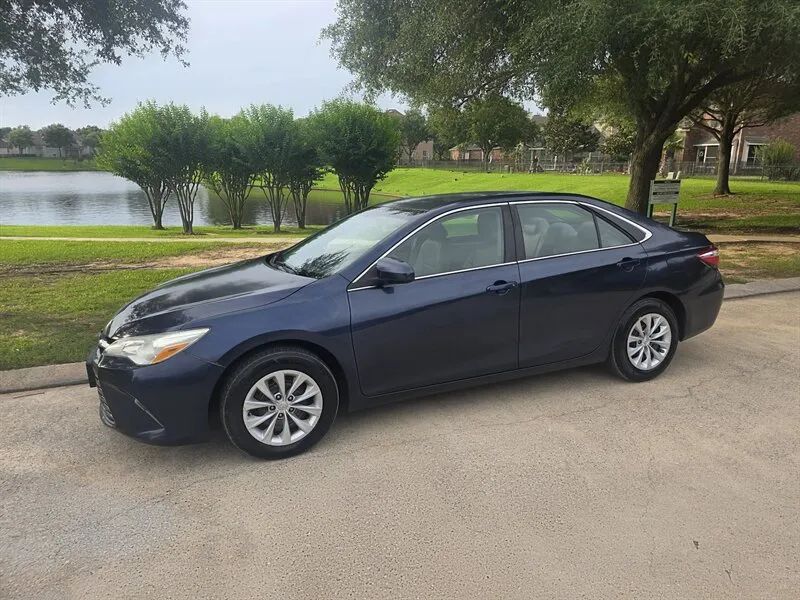
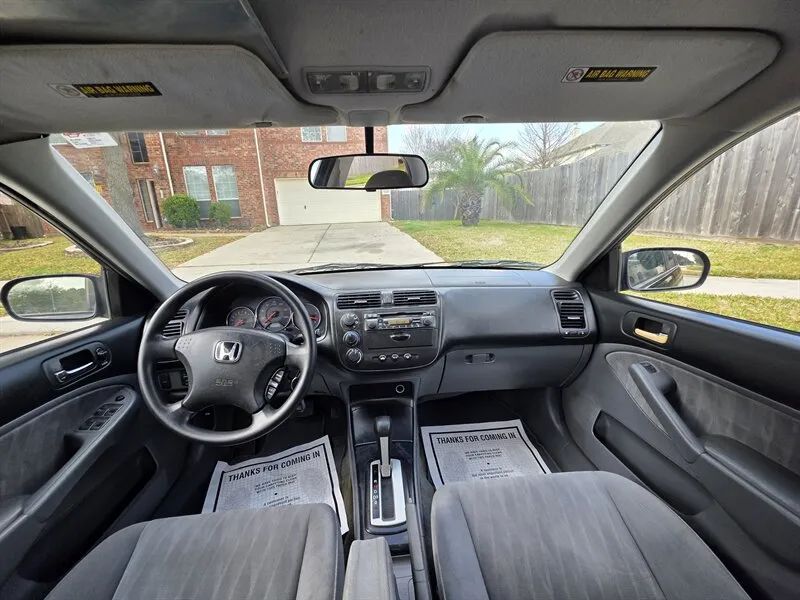
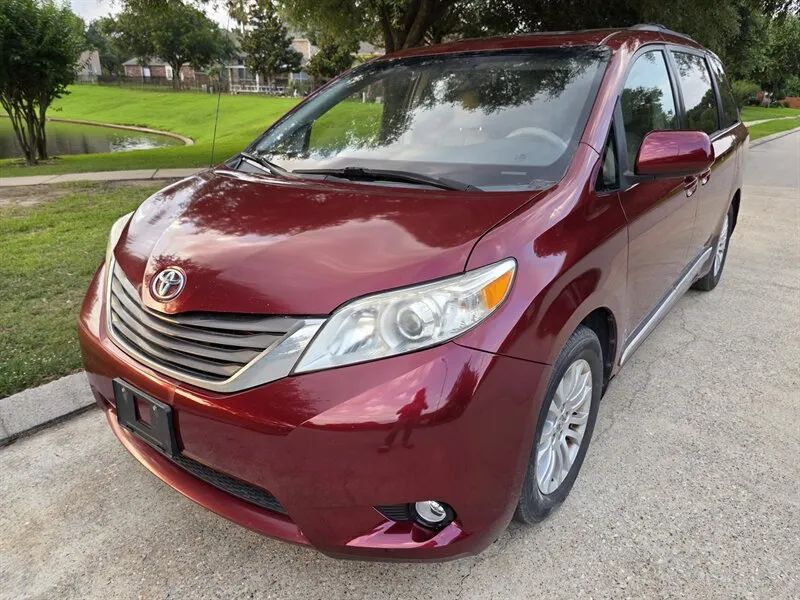
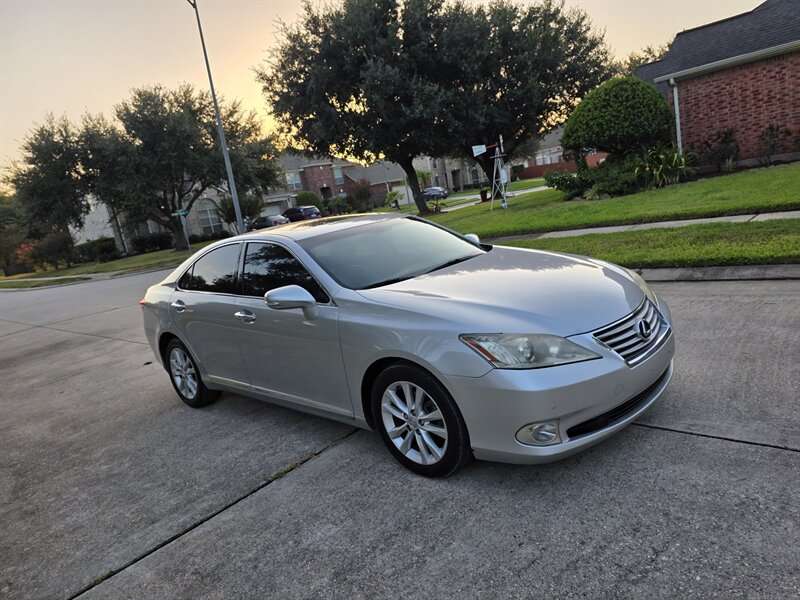
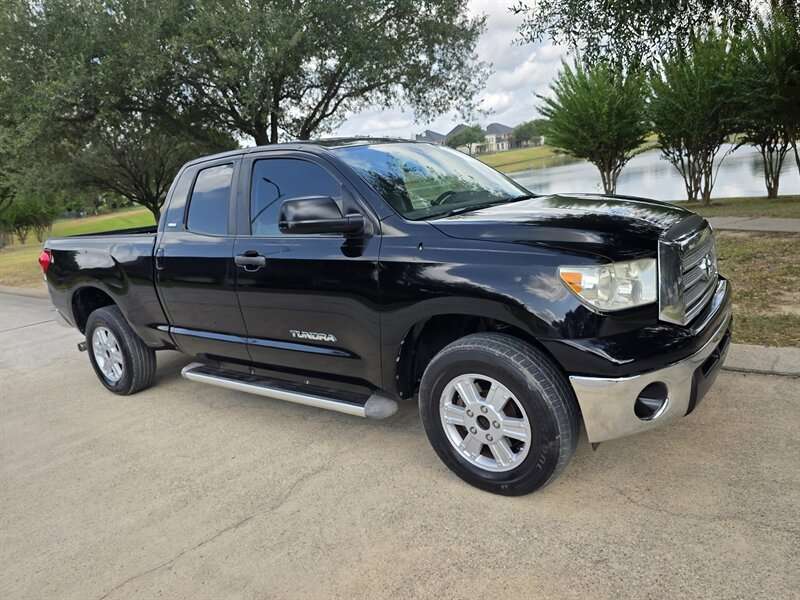
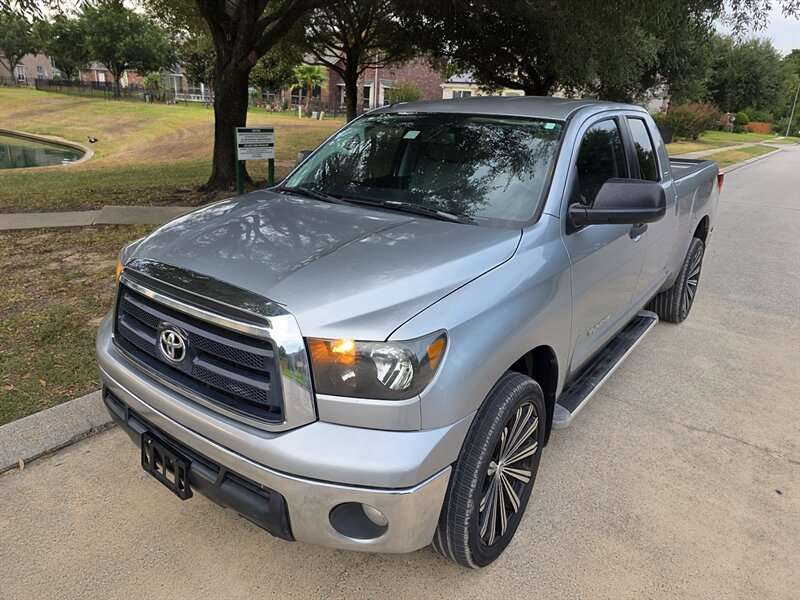
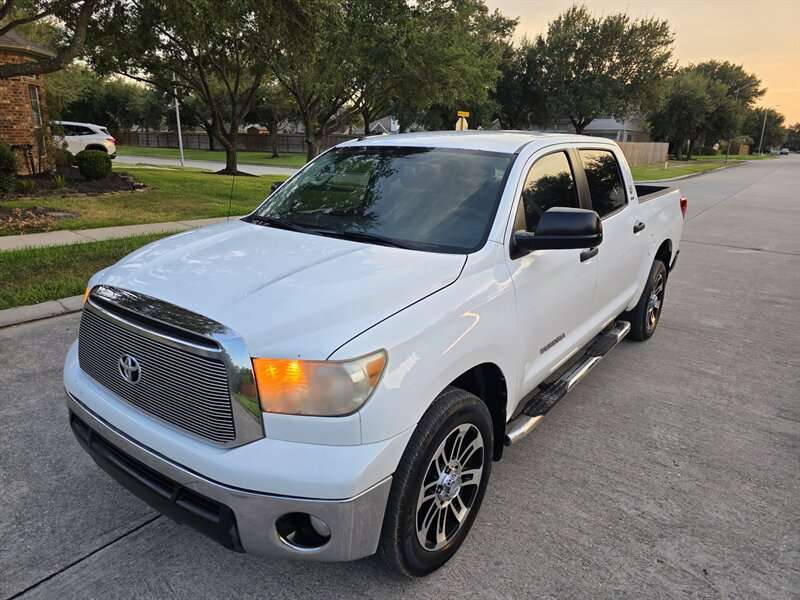
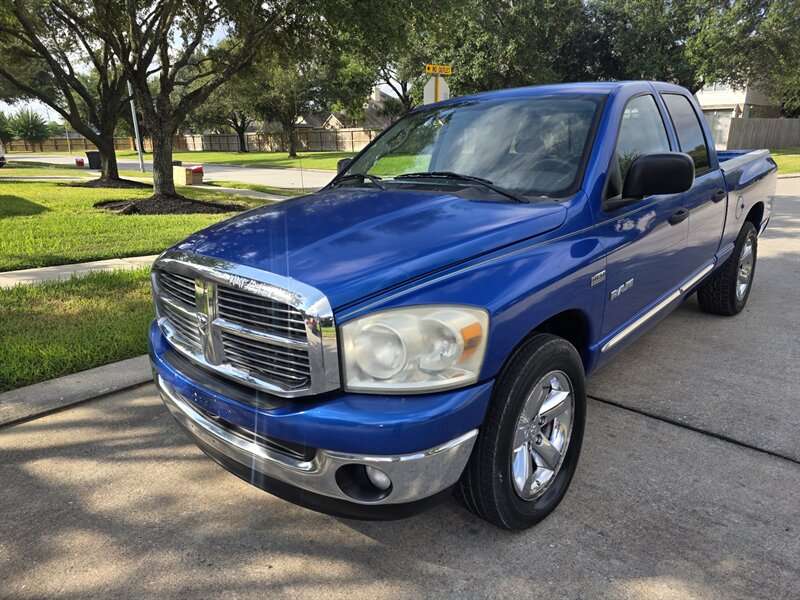
Use the listing photos to check the dashboard, seats, paint, tires, wheels, trunk or cargo area, headlights, and visible wear. If something is not clear, call and ask before you visit.
Budget shoppers should compare by price, body style, and use. Start with the live under-$10k list, then widen the search if the right vehicle is not there today.
Under $15k · Under $5k · Used sedans · Used SUVs · Used minivans · Toyota Camry · Honda Accord · Honda Civic · Nissan Altima · Financing · Trade-in
A used vehicle under $10,000 can be a smart way to keep the total cost lower, but the listed price is not the full cost of ownership. You still need to think about taxes, title, registration, insurance, fuel, tires, oil changes, repairs, and any extra money you want to keep for the first few months.
Do not spend the whole budget only because a vehicle is available. A lower-price car with weak tires, warning lights, no cold air, rough seats, or poor photos may cost more after the sale. A slightly higher listed price can be a better value if the vehicle is cleaner and easier to live with.
Make a small cushion if you can. Even a good used vehicle may need wipers, a tire, a battery, fluids, cleaning, or normal maintenance after purchase. A buyer who keeps some room in the budget usually makes a calmer decision than a buyer who spends every dollar on the sticker price.
If $10,000 is too tight for the vehicle you need, compare vehicles under $15k before choosing a vehicle that does not fit. If the lowest payment is the goal, use the financing page after picking a real stock number.
At this budget, a clean Toyota, Honda, Nissan, Ford, Chevrolet, Hyundai, Kia, Dodge, or other vehicle can make sense when the condition is right. Do not buy only because you recognize the badge. The exact year, miles, photos, tires, interior, air conditioning, title or report details, and how it drives matter more.
Look for simple signs. Are the seats clean enough for daily use? Do the tires look strong? Are the dashboard photos clear? Does the body look straight? Is the paint acceptable for the price? Do the photos show enough angles? Are there CARFAX links or report details when available?
Popular budget searches often include Toyota Camry, Honda Accord, Honda Civic, Nissan Altima, Toyota Corolla-style cars, and older family vehicles. Still judge the exact vehicle, not only the name.
If a listing has a well-known name but the photos show rough seats, weak tires, damage, or missing details, slow down. If a less famous vehicle has cleaner photos, lower stress, and better fit for your day, it may deserve the visit first. Budget shopping rewards patience.
A sedan can be a good lower-price choice for school, work, fuel cost, and easier parking. An SUV may be better when you need a higher seat, cargo room, or family space. A minivan may be better for kids, sliding doors, and cargo. A pickup can help work, but fuel, tires, and repairs may cost more.
Start with the use case. If you drive alone most days, a sedan may be enough. If you carry kids, bags, sports gear, or older family members, compare used SUVs and used minivans. If you need bed space, compare used trucks, but keep fuel and tire cost in mind.
Do not force a vehicle only because it is under $10,000. The wrong body style can feel cheap on day one and expensive every day after.
Open the vehicle listing and check the basic facts: year, make, model, trim, price, miles, VIN details, body style, fuel type, transmission, photos, stock number, and available report link. Then look at the photos like you are walking around the car.
Check tires, paint, headlights, bumpers, windshield, seats, dashboard, carpet, trunk, cargo area, radio, air conditioning controls, door panels, and any visible warning lights. If the listing does not answer your question, call before visiting.
The FTC used-car dealer guidance is helpful for buyer research. The Texas DMV buying and selling guide is helpful for Texas title and paperwork basics.
A low purchase price can still become stressful if fuel, insurance, tires, or repairs are too high. A bigger SUV or truck may be useful, but a smaller sedan may be cheaper to run. A luxury vehicle may look tempting under $10,000, but parts and repairs can cost more.
Use FuelEconomy.gov to compare fuel estimates and the NHTSA recall lookup for recall research by VIN. These checks help you ask better questions before you visit.
If you have a trade-in, the trade can change the money needed. Bring the VIN, exact miles, title or payoff details, keys, and condition notes. The trade-in page explains what to prepare.
These cards are live inventory filtered by listed price. Availability and price can change, so open the listing, save the stock number, and call Essence Autos before driving in for one specific vehicle.
After you understand the shopping choice above, use the live cards below as the current source of availability. Open the listing, save the stock number, then call before visiting for one specific vehicle.
If no under-$10k vehicle fits today, widen the budget page to under $15k or switch the search by body style. A slightly higher price can sometimes bring better mileage, newer safety features, cleaner seats, or the right family space.
Lower-price inventory can move quickly. If you are coming for one specific vehicle, call with the name or stock number first. Ask if it is still available, what the current price is, what the mileage is, and what time is best to visit.
This simple call can save a wasted trip. It also lets the team answer basic questions tied to the exact vehicle instead of giving a guess. If you plan to finance, ask what information may be helpful before you come in.
If the vehicle sells before you arrive, use that as a sign to keep the search flexible. Stay open to similar sedans, small SUVs, minivans, or slightly higher budget vehicles if they solve the same daily problem with better condition.
Some shoppers are using a cash budget. Some shoppers are using a down payment and financing. Those are different conversations. With cash, the total number matters right away because tax, title, registration, fees, insurance, and first repairs still need room. With financing, the lender review, vehicle details, down payment, income, credit file, taxes, fees, and full purchase terms all matter.
The best first step is still the same: pick a real vehicle. A payment question without a vehicle is only a rough idea. A payment question with a stock number is much more useful because the team can look at the exact price, mileage, year, VIN details, and lender fit.
If a vehicle under $10,000 is not the right fit for financing or condition, widen the search to vehicles under $15k. A little more budget can sometimes make the deal cleaner and easier to live with.
A budget car should not leave you with no money after the sale. Keep room for insurance, fuel, registration, small maintenance, a tire if needed, an oil change, wipers, or any first-month fix. A vehicle that uses every dollar can create stress even when the price looks good.
Ask yourself what you need the car to do on day one. Does it need to take you to work every morning? Carry kids? Drive on highways? Handle school runs? Sit in traffic with cold air? Park easily? The first month should feel manageable, not like a gamble.
That is why clear photos, honest condition questions, and a call before visiting matter. They help you avoid driving in for a vehicle that does not match your real budget or daily use.
This page explains how to shop used cars under $10,000, but the live inventory cards are the current source for availability. The widget is locked to under $10,000, so shoppers do not need to click around through indexable filter URLs or guess from an old hand-written list.
Open the vehicle card before calling. Check the photos, year, make, model, trim, price, miles, VIN details, fuel type, transmission, body style, and report link when available. Then save the stock number. That one number lets the team look at the same vehicle you are seeing.
Body style, price range, make, and trim are only starting points. Used vehicles still need a condition check. Look at tires, wheels, lights, bumpers, paint, windshield, seats, dashboard, carpet, cargo area, trunk or bed area, door panels, air conditioning controls, and visible warning lights.
If financing or a trade-in is part of the plan, choose the vehicle first. Payment and trade questions work better with a real stock number, real price, real mileage, and real VIN details instead of a broad guess.
Website copy explains how to shop. The live inventory cards show what is actually available now. If a listing looks right, call Essence Autos before driving in so price, miles, availability, and timing are clear.
Use official checks as a way to ask better questions about used cars under $10,000, not as a replacement for the live listing. The FTC used-car dealer guide says used-car shoppers should think about how they will use the vehicle, the full budget, registration, insurance, gas, maintenance, model research, safety tests, and mileage before visiting a dealer.
The FTC also explains that dealers must display a Buyers Guide on used vehicles and that the guide can show warranty or “as is” information, inspection advice, vehicle history report advice, and why promises should be in writing. That is useful for budget pages, trucks, SUVs, sedans, minivans, and vans because every listing still needs its own review.
For Texas paperwork and title research, the Texas DMV title-check guidance tells buyers to use the VIN for title research, consider a trusted mechanic inspection before signing or paying money, use service-report information, and read the sales contract. The broader Texas DMV buying and selling page also notes title timing and insurance basics for Texas vehicle ownership.
For safety and running cost research, use the NHTSA recall lookup with the VIN or vehicle details, and use FuelEconomy.gov when fuel cost matters. Then come back to the exact Essence Autos listing, photos, stock number, price, mileage, and phone confirmation.
3102 Louetta Rd, Spring, TX 77388
Pick the exact stock number first. Then call about financing with the vehicle price, mileage, down-payment idea if you have one, and your budget range. Final terms depend on lender review and the full deal.
Financing helpHave your VIN, exact miles, title or payoff information, keys, and condition notes ready. A final trade offer depends on seeing the vehicle and matching it to the vehicle you want next.
Trade-in helpWhat is the best kind of used car under $10,000 in Houston?
The best under-$10k vehicle is the one that fits your real use and condition needs. For many buyers, a sedan can be a dependable daily driver. Some families need an SUV or minivan, and some work buyers need a truck or van.
What should I check on a lower-price used car?
Check photos, price, miles, tires, seat wear, dashboard lights, air conditioning, body condition, VIN details, and report links when available.
Is the cheapest vehicle always the best choice?
No. A cheap vehicle with weak tires, warning lights, rough wear, or poor fit can cost more later. Choose the vehicle that fits the budget and condition needs.
Can I finance a car under $10,000?
You can ask after choosing a real vehicle. Final approval and terms depend on lender review, buyer information, vehicle details, down payment, taxes, fees, and full purchase terms.
Should I compare under $10k with under $15k?
Yes, if the right vehicle is not available under $10,000. A little more budget can sometimes open better condition, lower miles, or a better body style.
Should I call before visiting for a budget car?
Yes. Call with the vehicle name or stock number so Essence Autos can confirm availability, current price, mileage, and timing before you drive over.