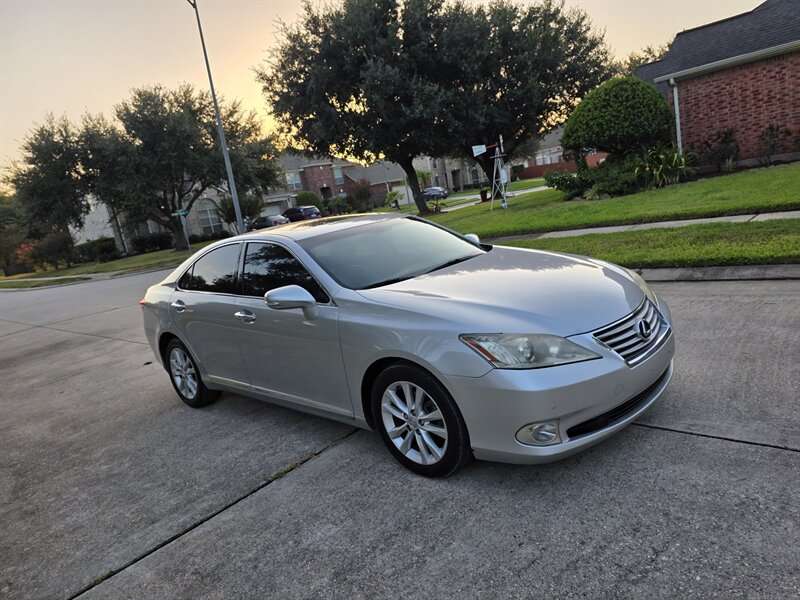
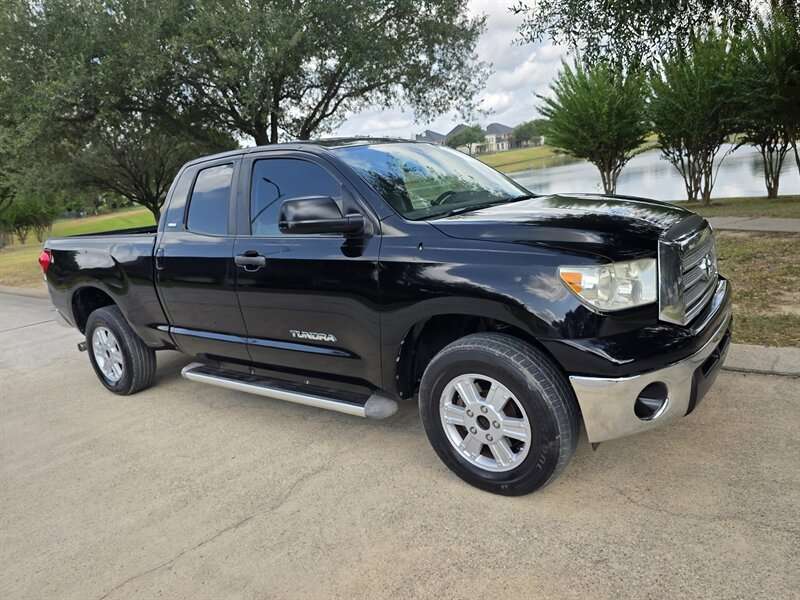
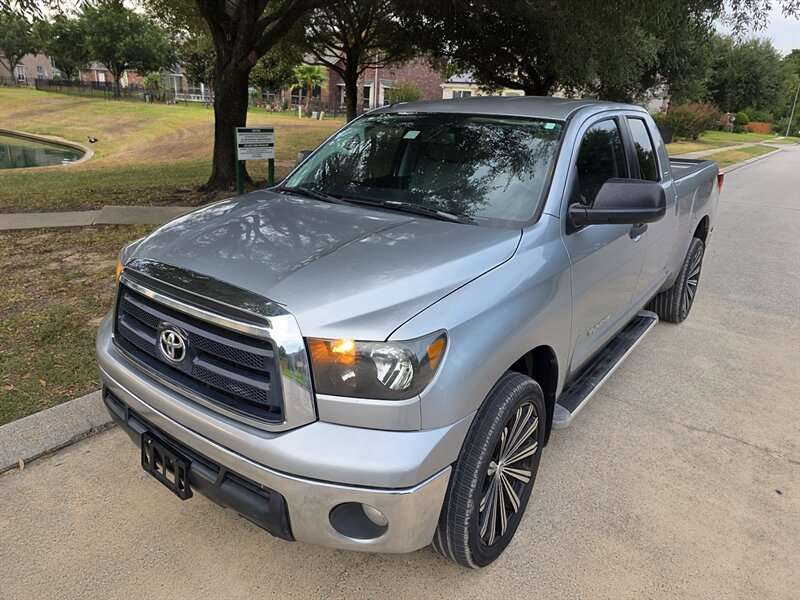
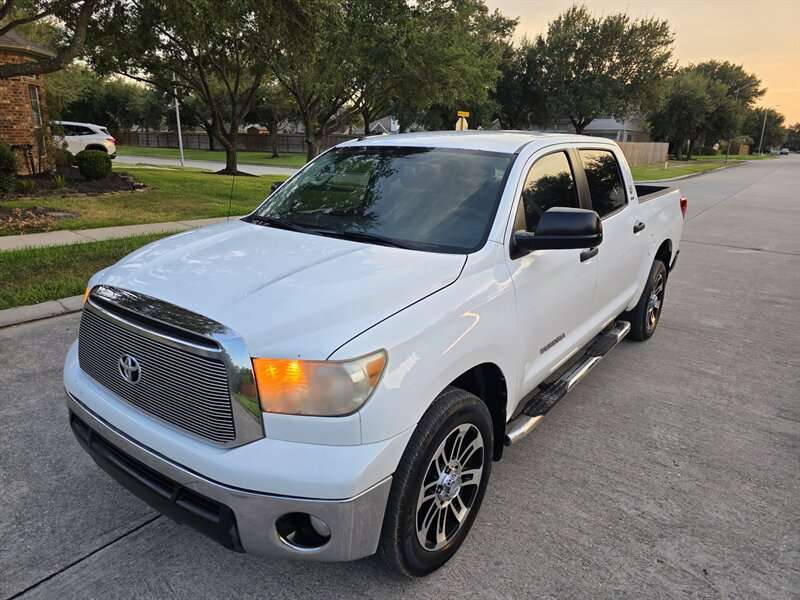
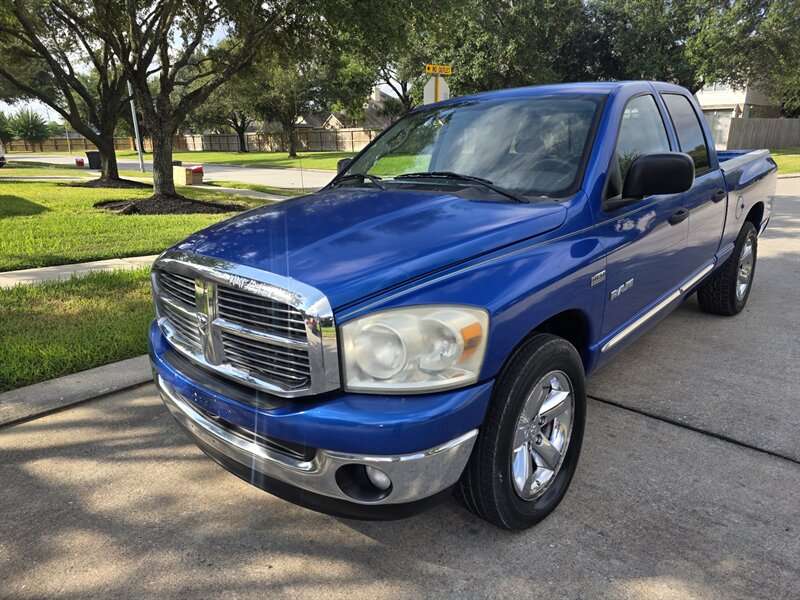
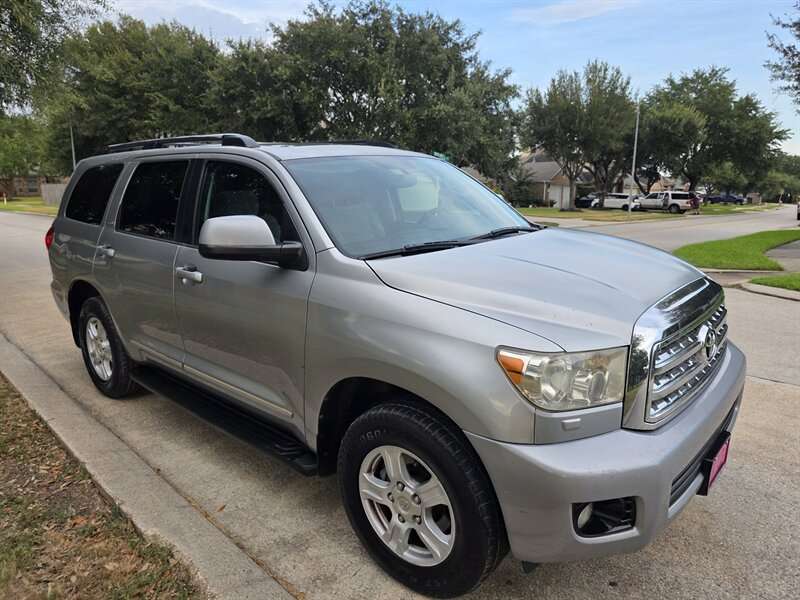
Good photos and clear details save time.
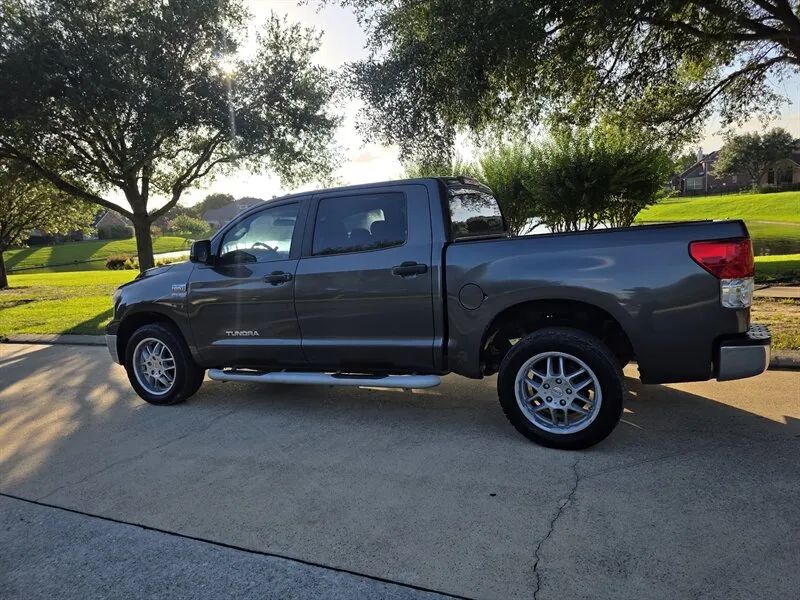
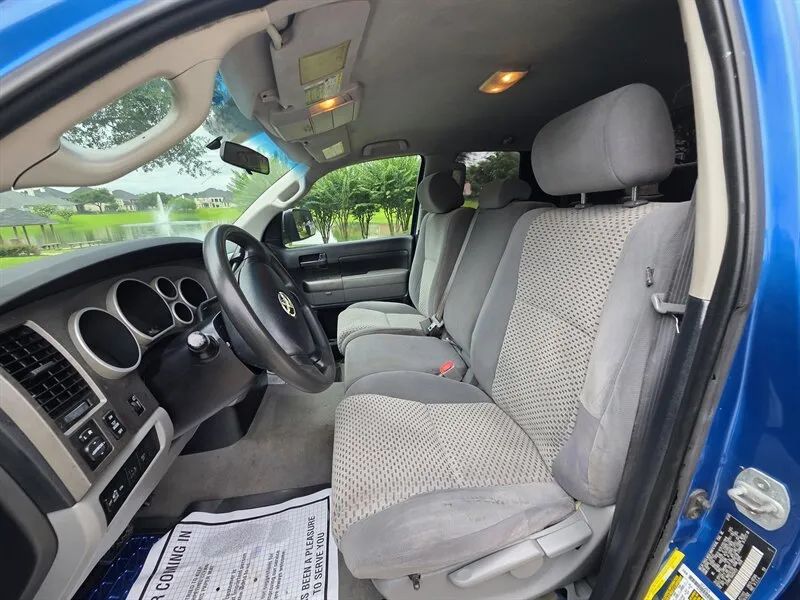
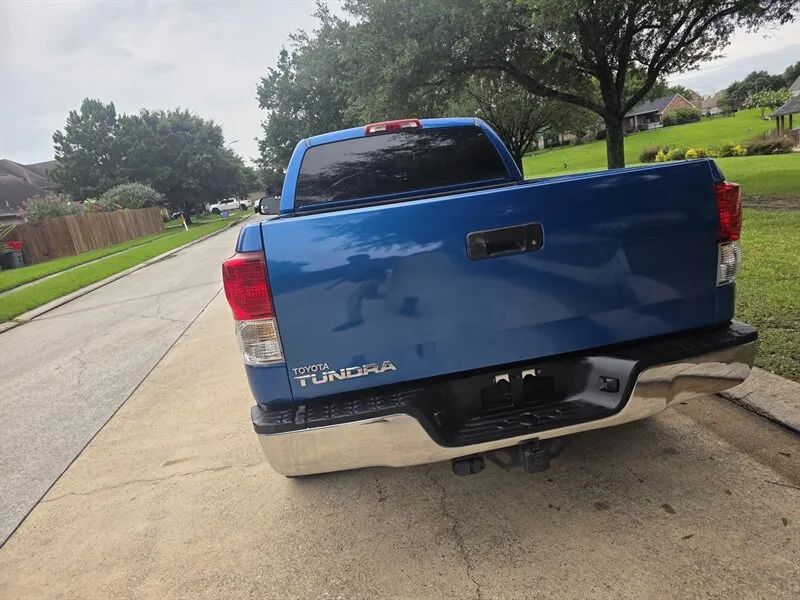
Before you call, read the listing from top to bottom. Start with the basics: year, make, model, trim, price, mileage, VIN details, body style, fuel type, transmission, and report link when available. Then slow down on the photos. Exterior photos should help you see paint, lights, wheels, tires, glass, bumpers, and body panels. Interior photos should help you see the driver seat, rear seats, dashboard, radio, climate controls, carpet, headliner, trunk, cargo area, or truck bed.
Every used vehicle has a history, so the goal is not to find a perfect new car. The goal is to see whether the condition, miles, price, and setup make sense together. A higher-mile Toyota, Ford, Chevrolet, Honda, Nissan, Ram, GMC, or Dodge can still be worth a look when it fits the job and the visible condition is honest. A lower-mile vehicle can still be the wrong choice if it is too small, too expensive, too hard to park, or not useful for the people who ride with you.
Use simple questions. Does the air conditioning work well? Are there warning lights? Do the tires look usable? Does the seat condition match the miles? Is the cargo space enough? Does the truck bed or SUV third row fit the way you will use it? If the answer is not clear from the listing, call and ask about that exact vehicle. A clear question about one stock number is easier to answer than a broad question about every car on the lot.
When you are choosing between two vehicles, compare why each one fits. One may have lower miles. Another may have more space. One may cost less today. Another may have better tires, a cleaner interior, or a body style that works better for your family. Use the vehicle page, not memory, when comparing. Real photos, real miles, and the current price keep the decision grounded.