
Ford Escape compact SUVs near Houston
The Ford Escape is a compact SUV for buyers comparing easy parking, useful cargo room, a higher seating position, and better fuel cost than many larger SUVs. A used Escape can fit Houston, Spring, North Houston, Tomball, Klein, The Woodlands, Cypress, or Humble drivers who need one vehicle for work, school, groceries, kids, and weekend errands. Many shoppers compare Escape with other used SUVs, larger choices like the Chevrolet Tahoe, tougher choices like the Toyota 4Runner, and all current used car inventory because price, mileage, size, and condition all matter.
Do not choose a used Ford Escape by the name alone. Write down the model year, trim, engine, drivetrain, mileage, tire life, dashboard lights, seat wear, cargo condition, air conditioning, backup camera, vehicle history details, and how the SUV feels on a visit. A 2015 Escape Titanium is part of the 2013-2019 generation and may include a 2.0-liter EcoBoost turbo engine, 6-speed automatic with SelectShift, front-wheel drive, leather seating, heated seats, SYNC/MyFord Touch, reverse sensing, backup camera, and power liftgate. A newer Escape may use 1.5-liter EcoBoost, 2.0-liter EcoBoost, 2.5-liter hybrid, plug-in hybrid, front-wheel drive, or AWD depending on year and trim. Start with the Escape that fits your route, budget, financing plan, and inspection comfort.
Quick shopper note: a clean older Escape with detailed photos and a comfortable payment may be easier to own than a newer SUV with rough care. Check commute length, passengers, cargo, fuel cost, tires, maintenance records, financing, and trade value before choosing by trim badge.

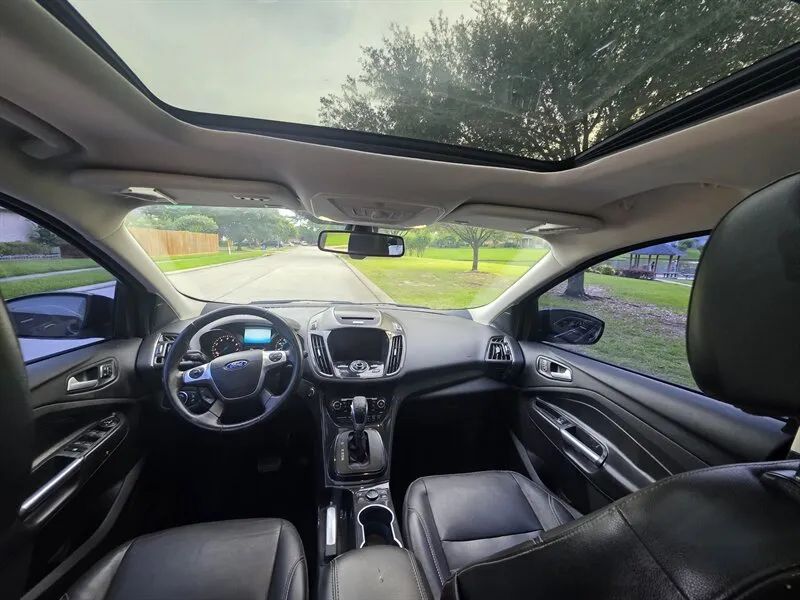


Ford Escape shoppers usually want an SUV that feels simple in daily driving. It is smaller than a Tahoe or Suburban, easier to park than a full-size SUV, and more useful for cargo than a sedan. A compact SUV is helpful when you carry backpacks, work bags, sports gear, groceries, or a stroller, but still want a lower payment and easier city driving. Check current Ford inventory, look at nearby used SUVs, or start with all used inventory if Escape, F-150, Explorer, 4Runner, Highlander, or Tahoe might fit.
The best Escape shortlist starts with plain questions. How far do you drive each day? Do you need front-wheel drive, AWD, or just good tires for Houston rain? Is fuel cost more important than towing? Do you need leather, heated seats, panoramic roof, backup camera, power liftgate, or a basic SE price? Use the photos to check seats, cargo space, tires, dashboard condition, paint, and how clean the SUV looks before choosing a stock number. Then use the Escape inventory section for current price, mileage, and availability.
Used Ford Escape listings may show S, SE, SEL, Titanium, Active, ST-Line, Platinum, Hybrid, or Plug-In Hybrid names depending on year. Older Escape shoppers often see XLS, XLT, Limited, and Hybrid on the first two generations. The 2013-2019 generation moved closer to Ford Kuga styling and often shows S, SE, Titanium, EcoBoost, front-wheel drive, and available AWD. A 2015 Titanium is a higher-feature version, so check leather, heated seats, dual power seats, premium sound, SYNC/MyFord Touch, keyless start, reverse sensing, backup camera, wheels, roof, and liftgate operation.
Engine: a 2015 Titanium Sport Utility 4D with a 2.0-liter EcoBoost turbo and 6-speed automatic is different from a base 2.5-liter Escape, a 1.6-liter EcoBoost, a 1.5-liter EcoBoost, a later 2.0-liter EcoBoost, a 2.5-liter hybrid, or a plug-in hybrid. Drivetrain: front-wheel drive is common and fine for many Houston buyers; AWD matters more if you want extra traction in rain or travel. Condition: check tires, brake feel, warning lights, turbo maintenance records, coolant smells, oil leaks, air conditioning, seat wear, dashboard screen, backup camera, power liftgate, vehicle history details, and recall status for the exact VIN.
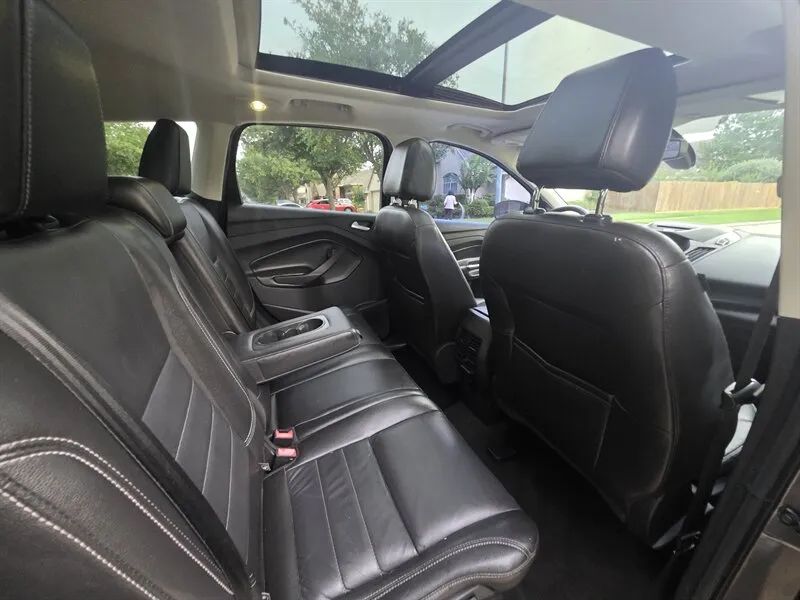
The Ford Escape has been sold as a compact crossover SUV since the 2001 model year. It was Ford's first SUV built from a car-style platform, not a truck frame, so it has always been aimed at drivers who want SUV room with easier daily driving. The first Escape Hybrid also became an important early hybrid SUV. Later Escapes share ideas with the Ford Kuga sold in other markets. That history matters for used shoppers because a 2005 Escape Hybrid, a 2011 XLT, a 2015 Titanium EcoBoost, and a newer ST-Line Hybrid are very different vehicles.
When you compare generations, keep the language simple: older Escapes are usually value SUVs, 2013-2019 Escapes are the main EcoBoost used range, and 2020-newer Escapes bring a smoother shape, more driver-assist tech, and more hybrid or plug-in hybrid choices. Current Ford Escape information can help you understand late-model trims, but used-car equipment must be confirmed by the exact VIN, listing, report, photos, inspection, and dealer details. If price is the first filter, compare Escape listings with vehicles under $15k and vehicles under $10k before stretching the payment.
First Escape years
2001-2007 first-generation Escape
This original range used a more upright compact SUV shape and was related to the Mazda Tribute and Mercury Mariner. Buyers may see four-cylinder, V6, front-wheel drive, four-wheel drive, XLT, Limited, and early Hybrid versions. Shop these years by condition first: rust, suspension noise, tires, brakes, air conditioning, seat wear, fluid leaks, and vehicle history details.
Boxy used range
2008-2012 second-generation Escape
This range kept the boxier Escape look but added newer safety and cabin updates over the first version. Common used examples include XLS, XLT, Limited, and Hybrid. Compare mileage, tires, paint, cabin wear, engine smoothness, transmission feel, air conditioning, and whether the SUV still feels solid on a visit.
EcoBoost years
2013-2019 third-generation Escape
This is the main used Escape range for many Houston shoppers. It has the sleeker Kuga-style body and trims such as S, SE, and Titanium. A 2015 Titanium with 2.0-liter EcoBoost, front-wheel drive, leather, SYNC/MyFord Touch, backup camera, and power liftgate belongs here. Check turbo care, coolant and oil leaks, screen function, and transmission feel.
Newest direction
2020-newer fourth-generation Escape
This newer range brings a softer shape, more safety tech, ST-Line, Active, Platinum, Hybrid, and Plug-In Hybrid choices depending on model year. Buyers should compare warranty age, battery/hybrid system coverage, driver-assist equipment, screen features, payment, insurance, and fuel cost against a clean older Escape.
After you know the Ford Escape year range and trim style you want, compare the Escape SUVs currently available from Essence Autos. Each listing shows real photos, year, mileage, price, fuel type, transmission, vehicle history details, and stock number so you can decide which SUV deserves a closer look.
Ford Escape inventory changes as vehicles sell. Save the stock number and call before driving in from Houston, Spring, North Houston, Tomball, Klein, The Woodlands, Cypress, or Humble so the team can confirm availability, current price, mileage, vehicle history details, and test-drive timing.
Escape powertrains changed a lot by year. Older first- and second-generation models may show 2.0-liter, 2.3-liter, 2.5-liter, 3.0-liter V6, and Hybrid choices depending on year and trim. The 2013-2019 range often uses 2.5-liter gas, 1.6-liter EcoBoost, 1.5-liter EcoBoost, or 2.0-liter EcoBoost engines. Newer Escapes may show 1.5-liter EcoBoost, 2.0-liter EcoBoost, 2.5-liter Hybrid, and Plug-In Hybrid options. That is why one Escape listing can feel basic and another can feel loaded.
For a Houston daily driver, MPG, tire condition, seat comfort, air conditioning, backup camera, smooth shifting, and payment often matter more than chasing the newest trim. A 2.0-liter EcoBoost Escape can feel stronger than a base engine, but buyers should ask about maintenance records and check for leaks, overheating smells, warning lights, and rough shifting. A Hybrid or Plug-In Hybrid may fit a commuter who spends time in traffic, but battery-related condition, charging needs, and price still matter. If payment decides the year and trim, get financing help before narrowing the list too far.
Engine fit
Match power to the route
A four-cylinder Escape is usually the simple daily-driving choice. EcoBoost turbo engines can give stronger passing power, but condition and maintenance records matter. Hybrid and plug-in hybrid versions are useful to compare when fuel cost is a top concern. Check the exact engine on the listing and VIN before making the trip.
Drivetrain
Front-wheel drive or AWD
Many Escape listings are front-wheel drive. That is normal for a compact SUV and is fine for many Houston drivers. AWD can help with traction, but it also adds parts to inspect. Check tires, brakes, steering feel, suspension noise, fluid leaks, and smooth operation before paying more for a drivetrain badge.
Build a Ford Escape shortlist around how the SUV will be used. A lower-budget Escape should make price, mileage, tire condition, air conditioning, photos, and vehicle history details easy to understand. A commuter Escape should make MPG, seat comfort, visibility, camera function, driver-assist features, and payment feel right. A small-family Escape should make rear-seat room, cargo room, easy entry, cabin cleanliness, safety features, and liftgate operation feel right.
Each model year can have several trims, engines, transmissions, drivetrains, packages, and care histories. Compare a 2015 Escape Titanium EcoBoost differently than a base S, SE, SEL, Active, ST-Line, Platinum, Hybrid, or Plug-In Hybrid. Write down the exact year, trim, engine, drivetrain, mileage, tires, photos, vehicle history details, and price before choosing. If you are still deciding between compact and larger SUVs, compare Escape with Toyota Highlander, Toyota 4Runner, Chevrolet Tahoe, and Toyota Sequoia.
Trim and year
Compare the exact build
Write down year, S, SE, SEL, Titanium, Active, ST-Line, Platinum, Hybrid, or Plug-In Hybrid trim, wheel size, screen, camera, driver-assist features, seat material, mileage, tires, and vehicle history details. This separates a clean commuter SUV from a comfort trim, sport-look trim, or higher-mileage value SUV.
Specs
MPG and features change by year
Fuel economy, safety equipment, screen size, driver-assist features, towing limits, cargo space, and powertrain choices are not one-size Escape facts. Confirm the exact SUV with the listing, VIN, manufacturer information, vehicle history details, and dealer details.
Condition
Mileage needs context
Escape miles can be easy or hard depending on use and care. Read the odometer together with tire wear, seat condition, paint, warning lights, interior cleanliness, suspension feel, brake feel, turbo maintenance records, and visible care.
Photos and VIN checks
The gallery and report should help you decide
Good photos show tires, wheels, seats, dashboard, cargo area, paint, bumper marks, liftgate condition, and the way the SUV sits. Use the gallery, vehicle history details, and the NHTSA recall lookup for the exact VIN before making a final decision.
Still choosing SUV size? Compare current used SUVs, the larger Toyota Highlander, and cars under $15,000. If payment is next, use financing help.
Trim names help organize the search, but they should not replace the inspection. S is usually a simpler value trim on the third generation. SE often brings the better mix of price and features. SEL can add comfort options on later years. Titanium is usually the feature-heavy version for 2013-2019 shoppers, with items like leather, upgraded audio, power liftgate, and more cabin features. Active, ST-Line, Platinum, Hybrid, and Plug-In Hybrid belong to newer Escape shopping and should be compared by exact year.
The right used Ford Escape is the SUV where price, condition, mileage, powertrain, equipment, and comfort line up. A clean SE can be smarter than a rough Titanium. A Titanium with leather, heated seats, panoramic roof, backup camera, and power liftgate may justify more money if those features matter every day. A Hybrid or Plug-In Hybrid may help with fuel cost, but only if the payment, battery-related details, and condition fit. Always check the exact SUV instead of assuming the trim badge includes every feature.
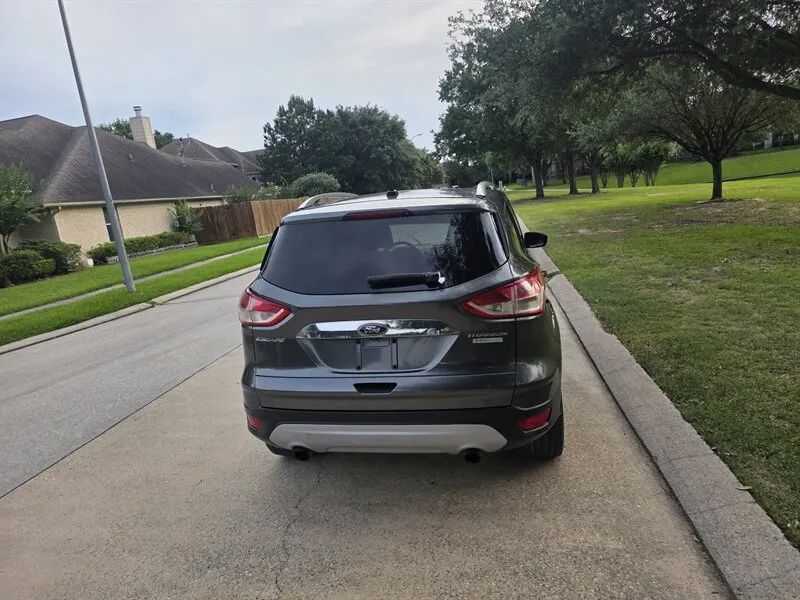
A daily commuter needs clean cabin condition, smooth shifting, good visibility, working features, predictable fuel cost, and a price that fits regular use. A student or first-time buyer needs simple controls, good tires, working air conditioning, clean title/report clues, and a payment that does not create stress. A small-family buyer needs rear-seat room, cargo room, easy entry, safety features, and a cabin that feels clean enough for everyday life.
If you are comparing Ford Escape against 4Runner, Highlander, Tahoe, Sequoia, or other used SUVs, start with the route and payment. Compact Escape shoppers often get easier parking and better MPG. Larger SUV shoppers may get more seats, towing strength, or cargo space. Use the listings, exact photos, trade-in help, and a call to Essence Autos to decide which stock number deserves a visit.
Everyday SUV
Daily commuting
Prioritize clean seats, smooth operation, visibility, air conditioning, driver-assist features, good tires, and fuel cost that fits your route.
Family SUV
Family driving
Look at rear-seat room, cargo space, easy entry, cabin cleanliness, safety features, child-seat practicality, and passenger comfort.
Payment fit
Budget fit
Compare price, mileage, tires, brakes, warning lights, vehicle history details, finance terms, insurance comfort, and trade value together.
Is a used Ford Escape a good SUV to buy?
It is a solid compact SUV choice when the exact year, trim, mileage, maintenance records, tires, cabin condition, payment, and vehicle history details fit your needs.
Which Ford Escape trim should I compare?
Compare S, SE, SEL, Titanium, Active, ST-Line, Platinum, Hybrid, and Plug-In Hybrid choices by year. The best trim for you depends on price, comfort, fuel economy, features, condition, drivetrain, and payment.
Should I choose gas, EcoBoost, Hybrid, or Plug-In Hybrid?
Choose by year, budget, and route. A gas Escape is simple to compare, EcoBoost can feel stronger, Hybrid can help commuters, and Plug-In Hybrid only fits if charging and payment make sense for your life.
What should I check on an older Ford Escape?
Look at tires, seat condition, warning lights, paint, air conditioning, smooth start, shift feel, brake feel, turbo or coolant maintenance records, photos, vehicle history details, recalls by VIN, and how the SUV feels during a visit.
Is an Escape Hybrid worth comparing?
Yes, especially for commuters. Compare Hybrid models by year, battery-related maintenance records, MPG goals, mileage, condition, features, and payment against clean gas Escape SUVs.
Can I finance or trade toward a Ford Escape?
Yes. Pick the Ford Escape you like first, then call Essence Autos about the vehicle, down payment questions, documents, lender review steps, and trade-in details.
Should I call before driving in from Houston?
Yes. Used suv availability changes quickly. A quick call helps confirm current price, mileage, availability, vehicle history details, and the best time to see the car.
Next best move: compare used SUVs, check Ford inventory, or contact Essence Autos with the Escape stock number you want to confirm.